How is faulty wiring repaired safely?
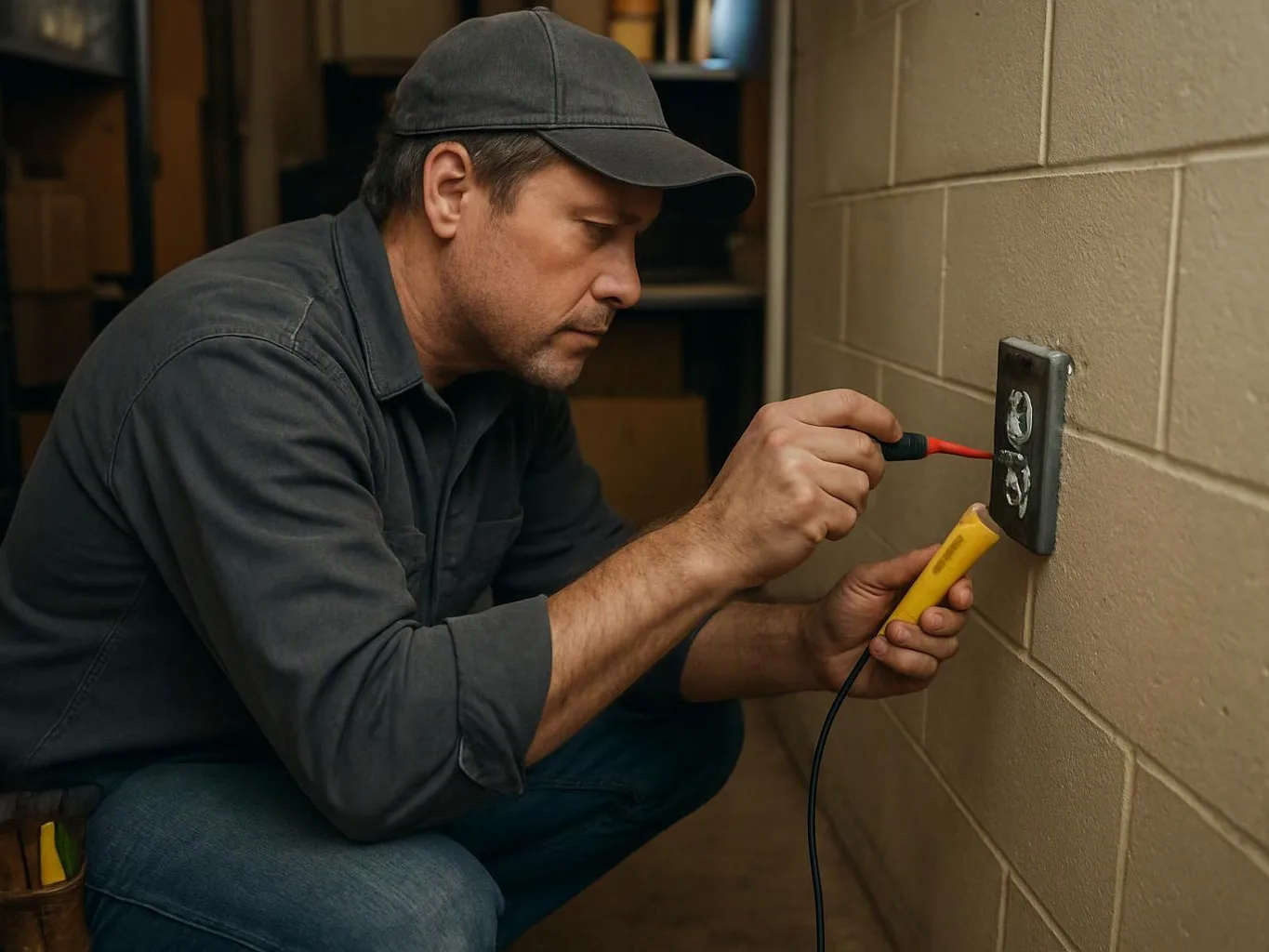
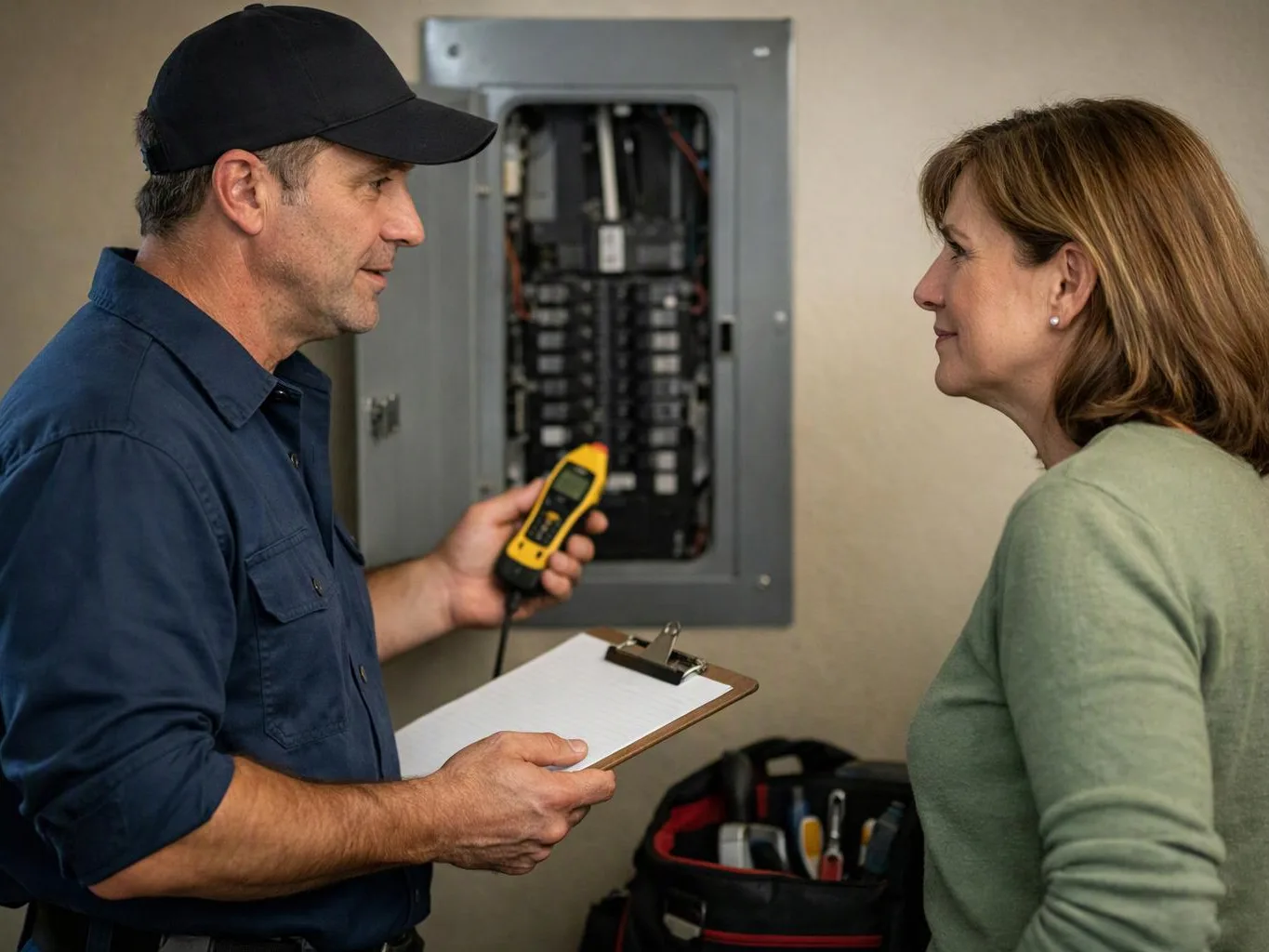
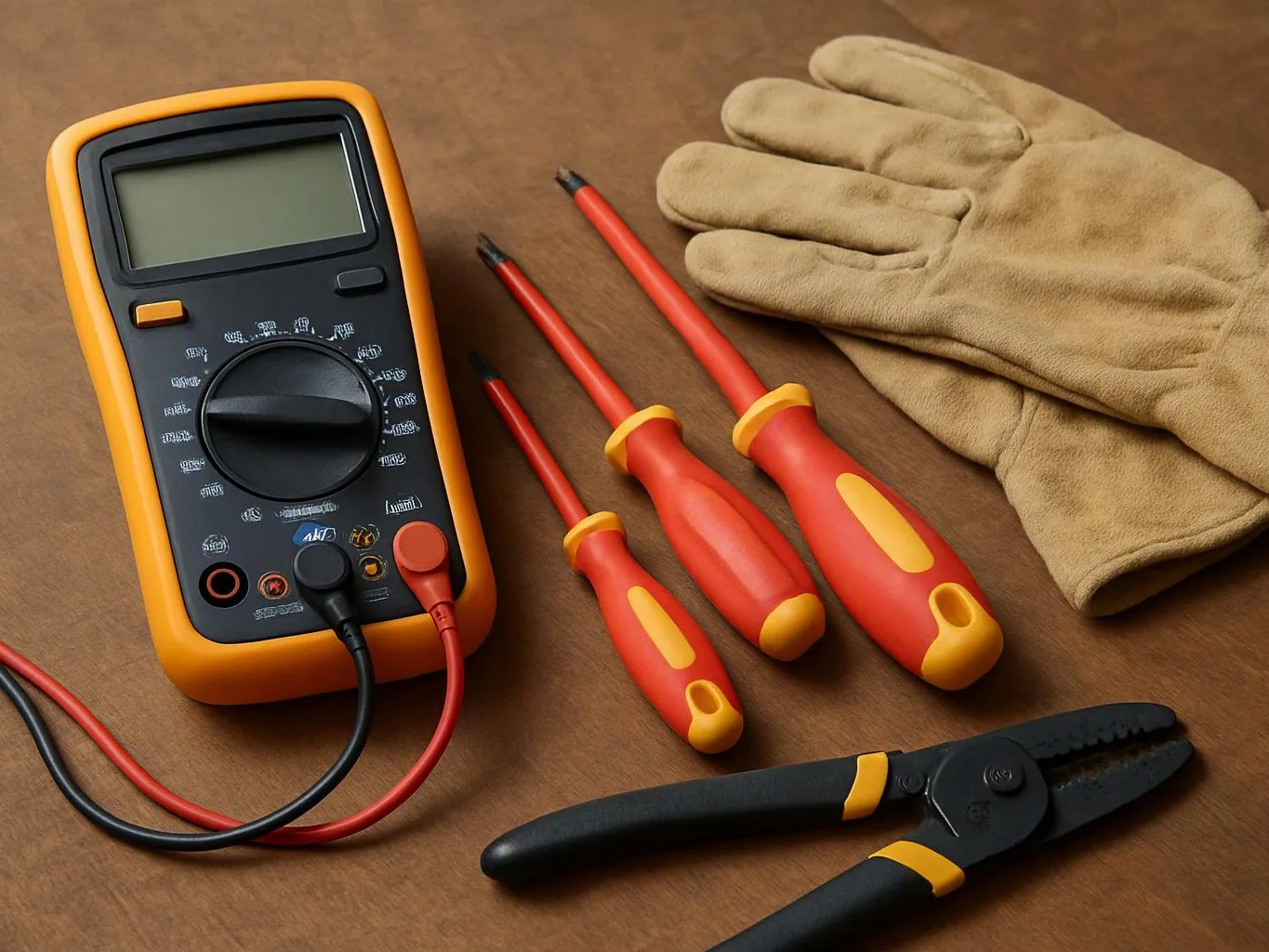
Insulation repair protects exposed conductors, and GMB Electric then isolates the circuit, checks connections, and tests the repair. We inspect outlets, switches, junction boxes, and accessible wiring before work begins. The repair scope depends on the fault location and the condition of nearby conductors. We explain the needed work and pricing before planned repairs.
Which property condition changes the repair time?
Wiring access changes the time needed for a repair. Concealed conductors, crowded junction boxes, damaged cable paths, and limited panel access require more inspection before the fault is corrected. We check accessible routes and connected devices first. That review helps define the work without guessing from one visible symptom.
What should be ready before wiring work starts?
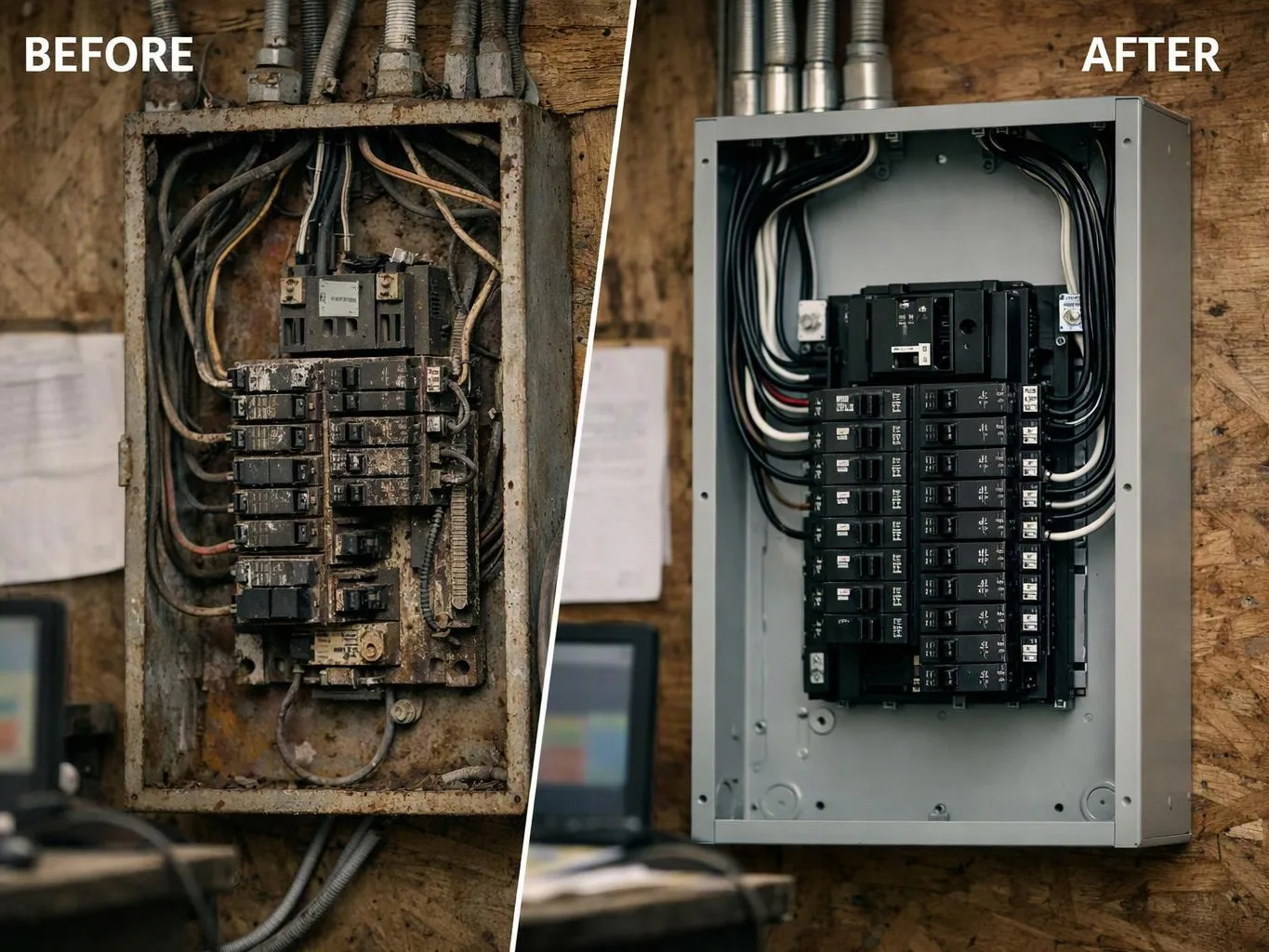
Clear access to the electrical panel, affected outlets, switches, and fixtures helps the inspection begin safely. Keep the faulty circuit off if you notice heat, sparks, smoke, or a burning smell. Photos of the panel and affected device can also help explain the issue. Do not remove covers or handle exposed wiring yourself.
How is wiring matched to the property before work starts?
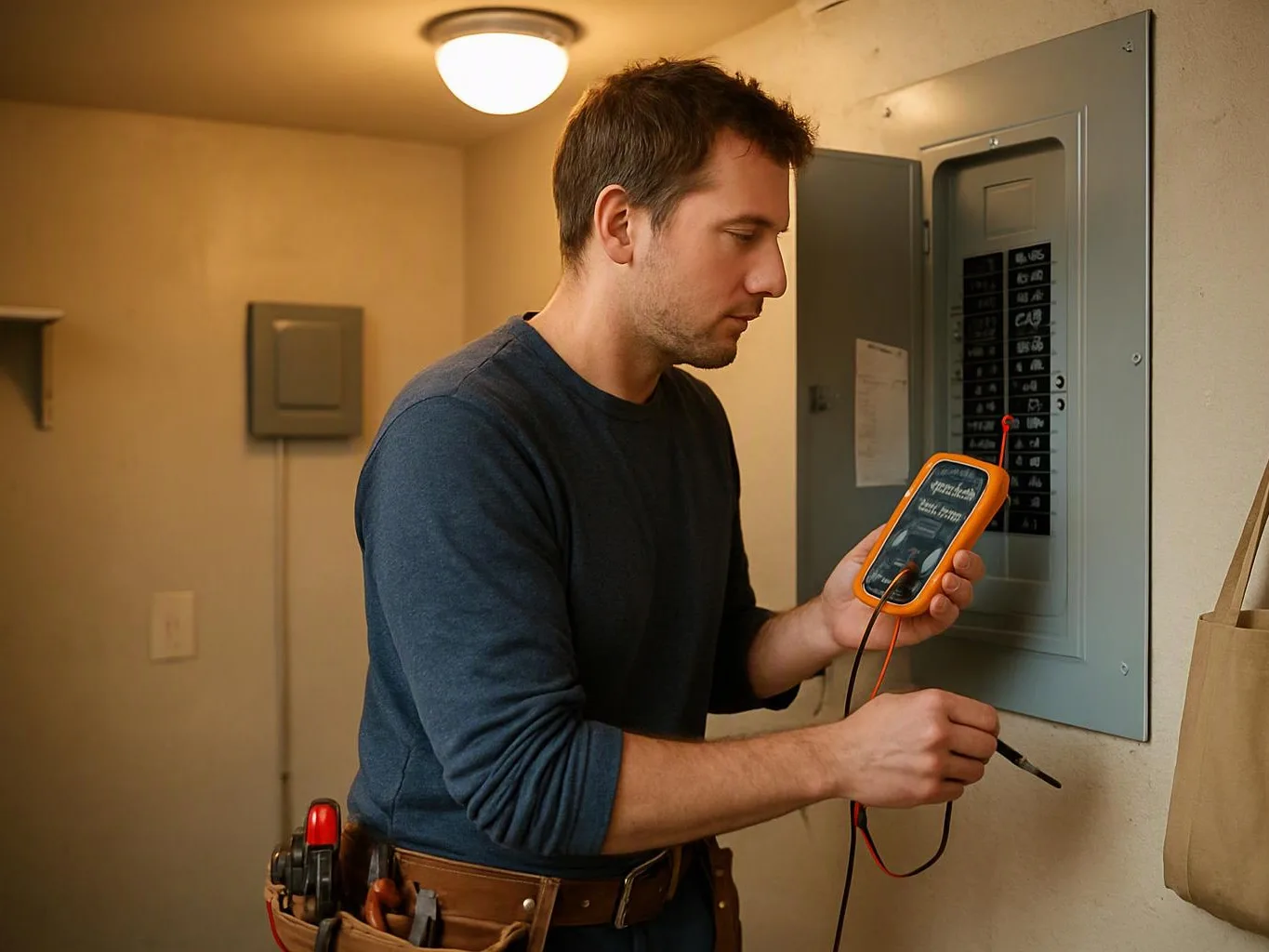
The property layout, circuit path, connected load, wiring condition, and access points guide the repair plan. We trace the affected circuit and check its devices before choosing materials or repair methods. Homes and businesses may have different access needs, so we set the scope around the actual circuit and the customer's use of the space.
What does a breaker that keeps tripping mean?
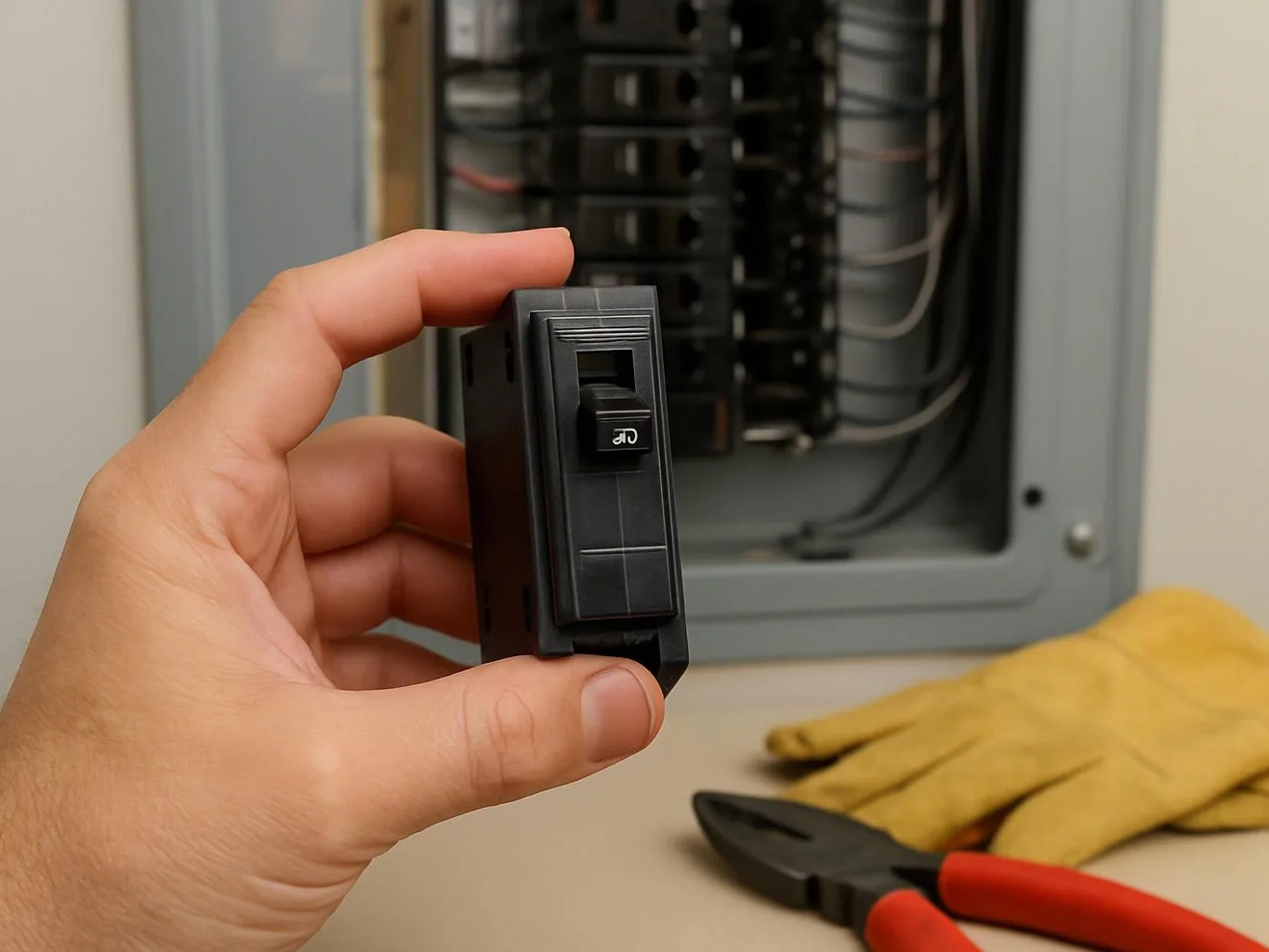
A repeatedly tripping breaker means the circuit needs testing before it returns to normal use. The cause may involve a damaged conductor, loose connection, overloaded circuit, or faulty outlet or appliance. We isolate the circuit and check each relevant point. The breaker should not be repeatedly reset while the fault remains unresolved.
Can wiring repair include outlets and switches?
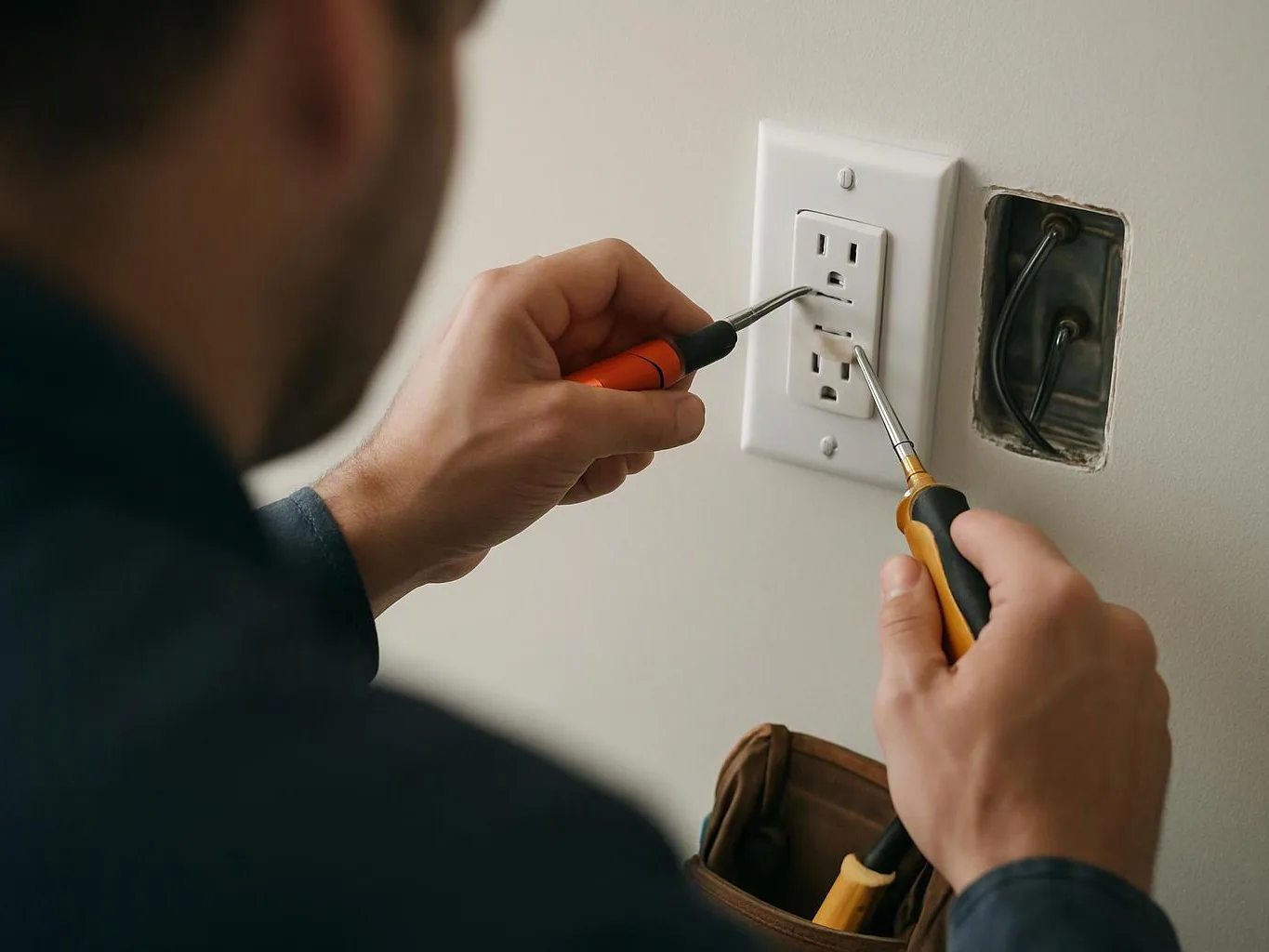
Outlet and switch repair is included when the device or its connection forms part of the wiring fault. We check terminals, conductors, box connections, and signs of heat or arcing. A failed fixture may need a different repair scope. We explain whether the issue sits in the device, the wiring, or both.
Which details should I share when requesting an assessment?
The affected room, device, breaker status, visible damage, and recent changes are useful details. Tell us whether the problem affects one outlet or several points on the circuit. Photos can show the panel label or damaged cover, but do not remove electrical covers. Those details help us prepare for circuit tracing and testing.