What signs indicate damaged electrical wiring?
Exposed conductors, frayed insulation, burn marks, loose connections, buzzing, and repeated breaker trips indicate possible wiring damage. We inspect the affected circuit and nearby devices to find the fault. Turn off the circuit if you notice sparking, smoke, or a burning smell, and request an electrical assessment before using it again.
Who is a good fit for electrical wiring repair, and who needs a different service?
Homes and businesses with damaged conductors, faulty connections, dead outlets, or flickering lights are good fits for wiring repair. A panel upgrade fits capacity problems, while a utility outage needs the utility company. We check the fault first and explain which service matches the electrical problem.
What does the crew look at first during wiring repair?
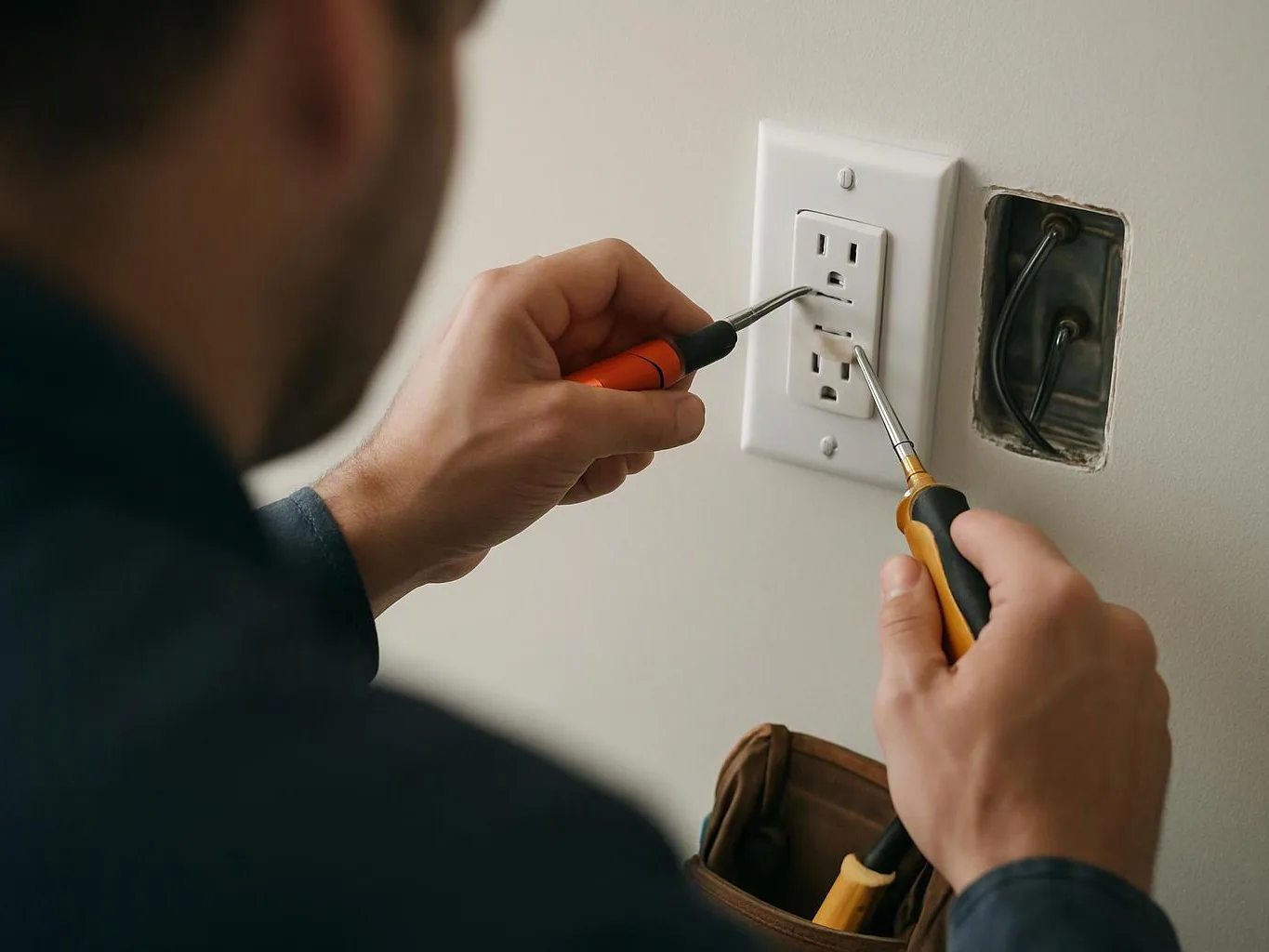
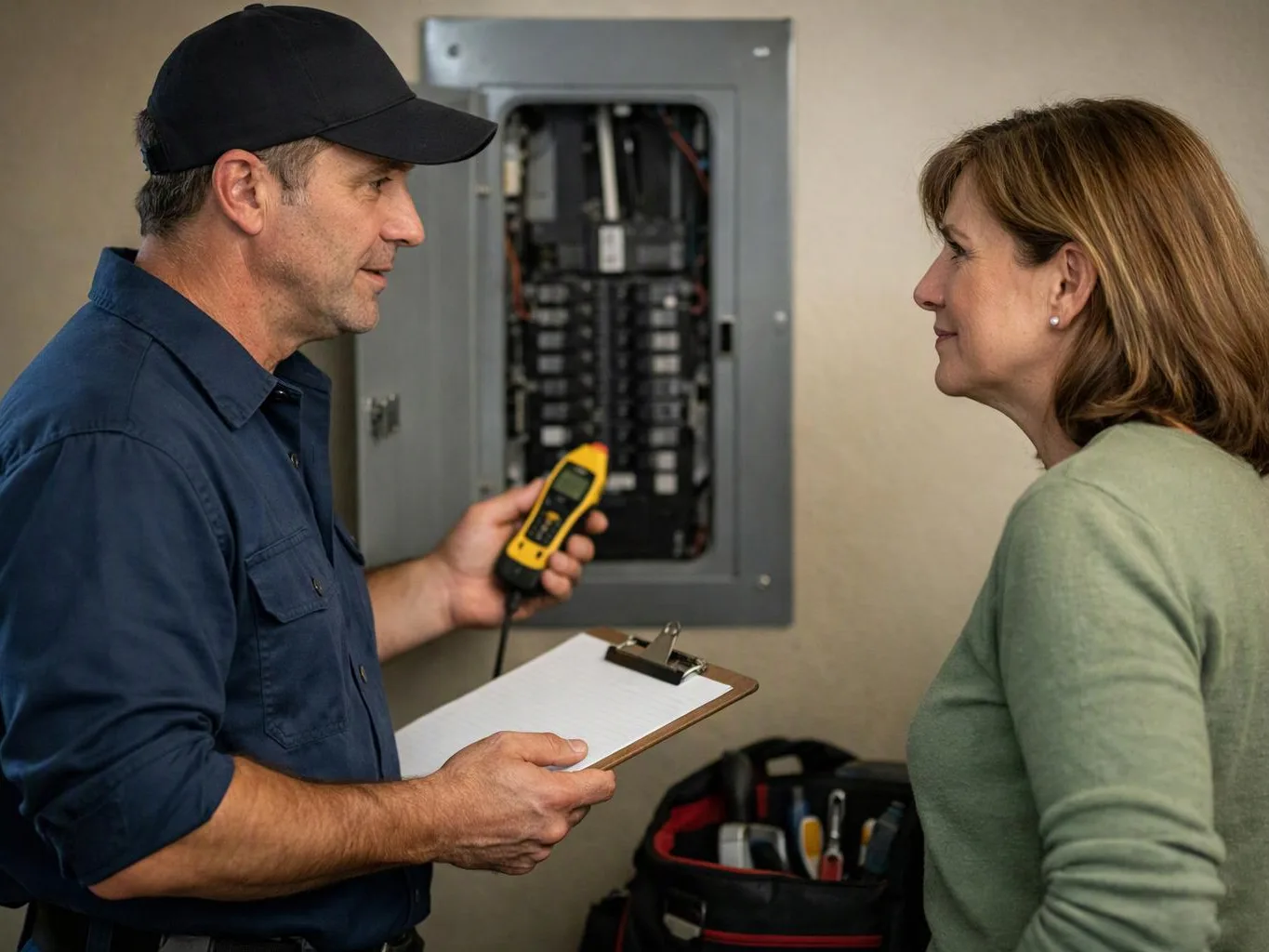
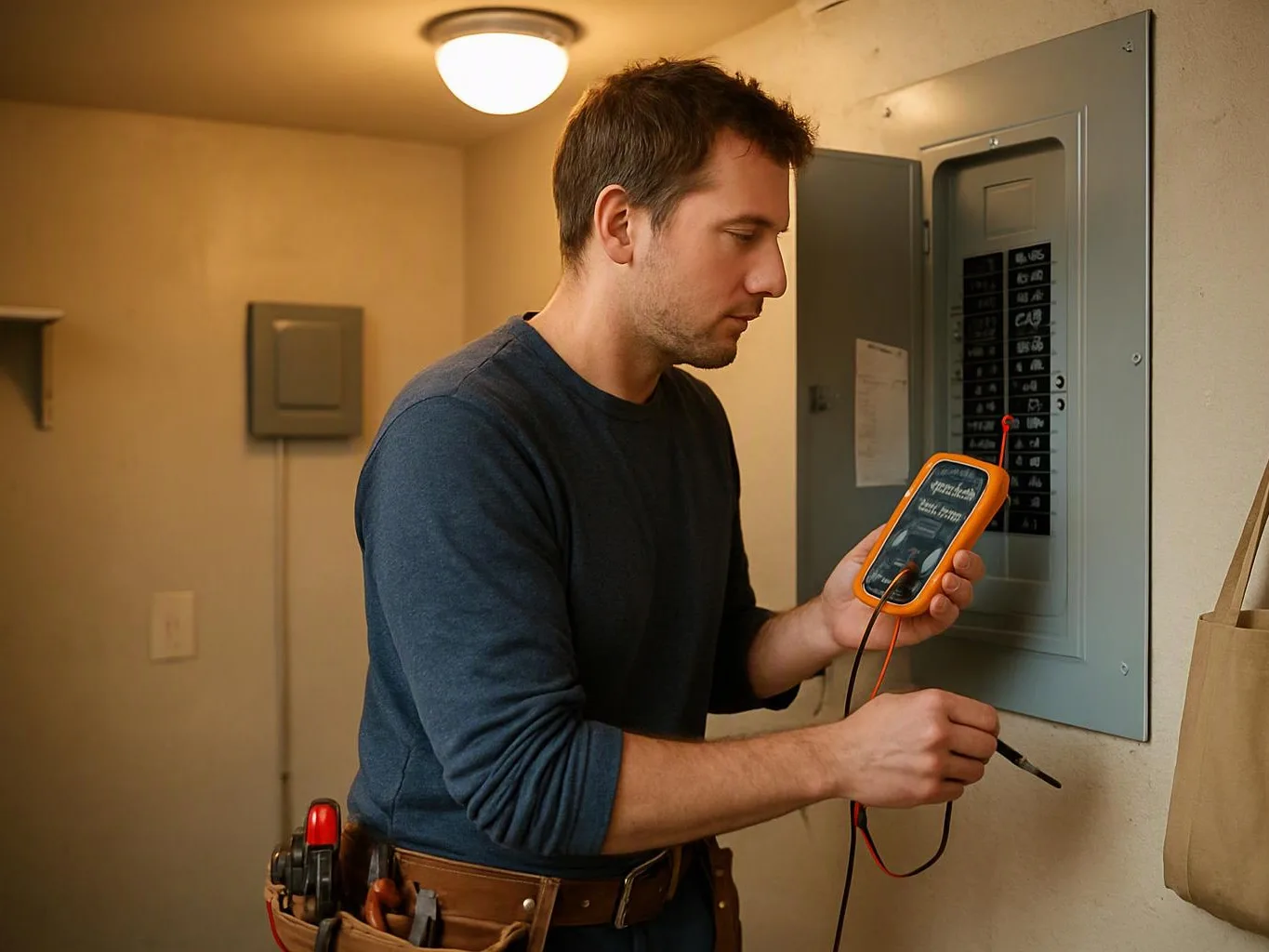
The first check covers the reported device, circuit connections, wiring insulation, and breaker. We look for heat damage, loose terminals, exposed copper, and signs that the fault extends beyond one outlet. That inspection sets the safe repair scope before work begins.
When should I stop using a circuit before an electrician arrives?
Stop using a circuit when you notice sparking, a burning smell, smoke, buzzing, or a warm switch plate. Turn off the affected breaker only if you can do so safely. Do not touch damaged conductors, and keep people away from the area until we assess it.
How does wiring repair differ from rewiring?
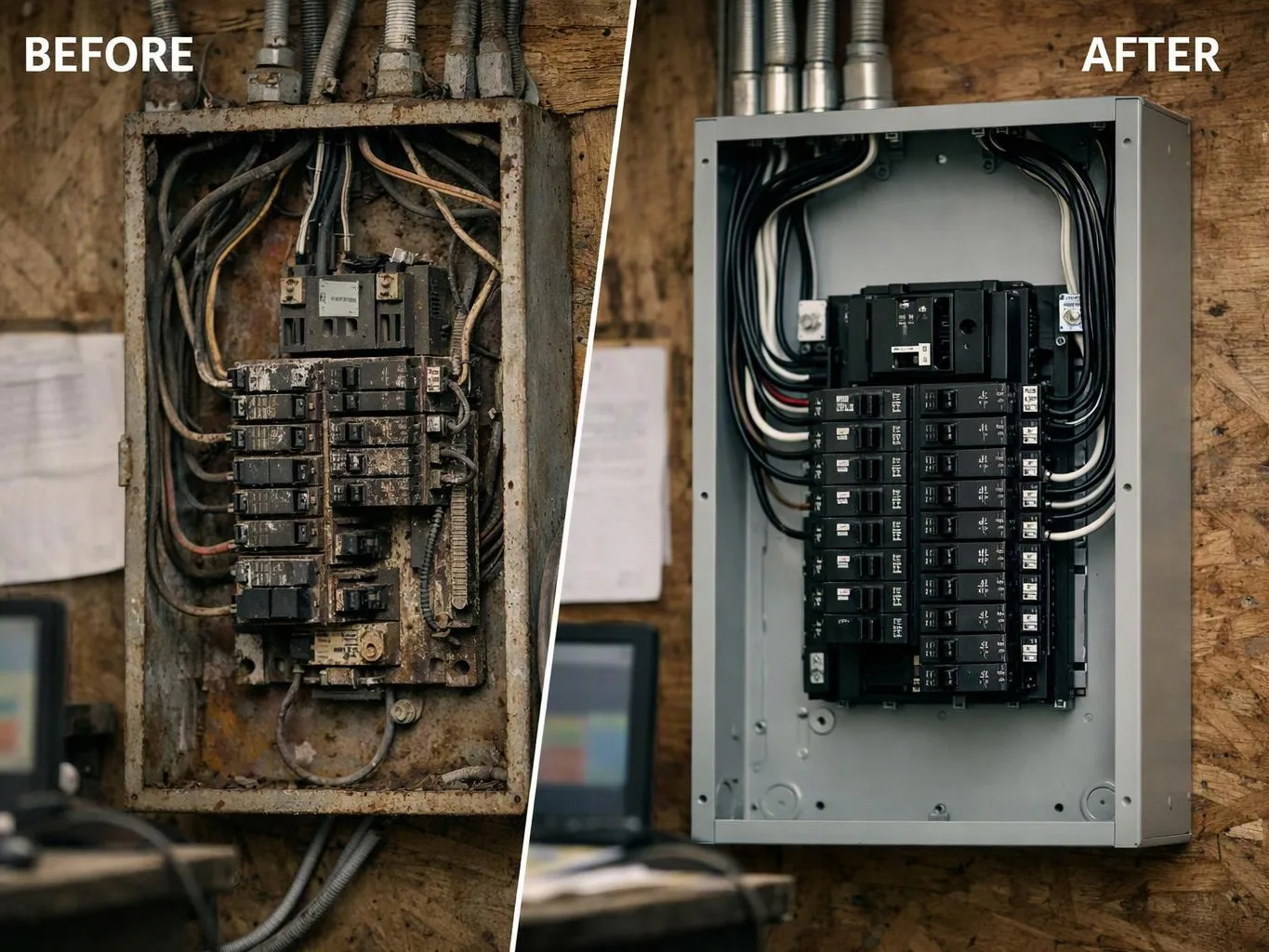
Wiring repair fixes a defined damaged section, connection, outlet, or switch. Rewiring replaces wiring across a larger part of the property when damage or age affects multiple circuits. We trace the problem first, then explain whether a local repair can address the fault.
Which part of a wiring job changes the quote?
The damaged location, circuit access, wiring condition, and repair size change the quote. Wall access, junction boxes, outlets, switches, and related circuit faults can also affect the scope. GMB Electric assesses the work and provides a free estimate before the repair.
Why does a breaker keep tripping after an outlet repair?
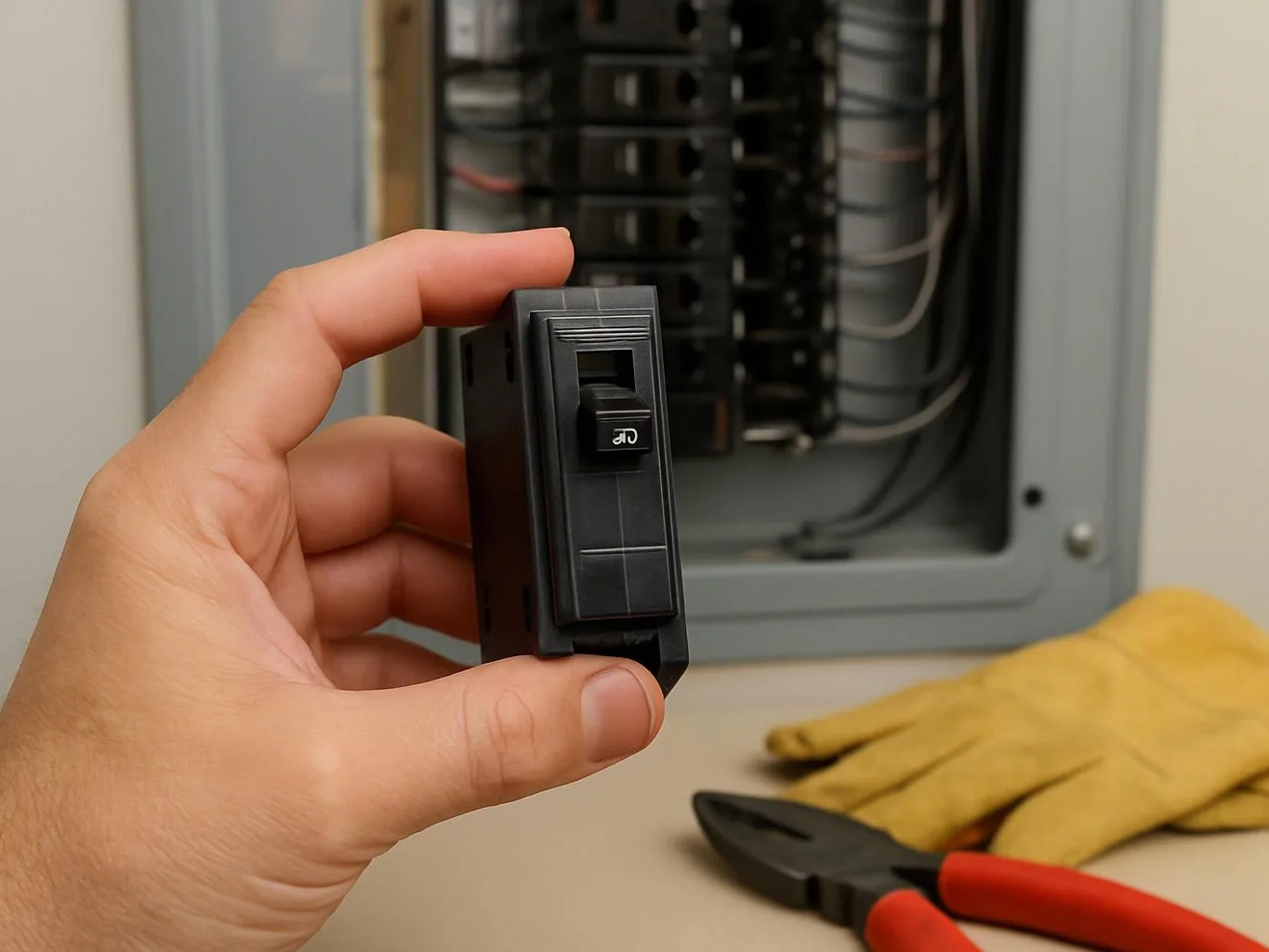
A breaker can keep tripping when the fault remains in the circuit, connected load, wiring, or another device. We trace the circuit and test related outlets, switches, and connections. Repeated resets can hide a continuing fault, so the circuit should be assessed before normal use continues.