What hazards can an electrical safety inspection find?
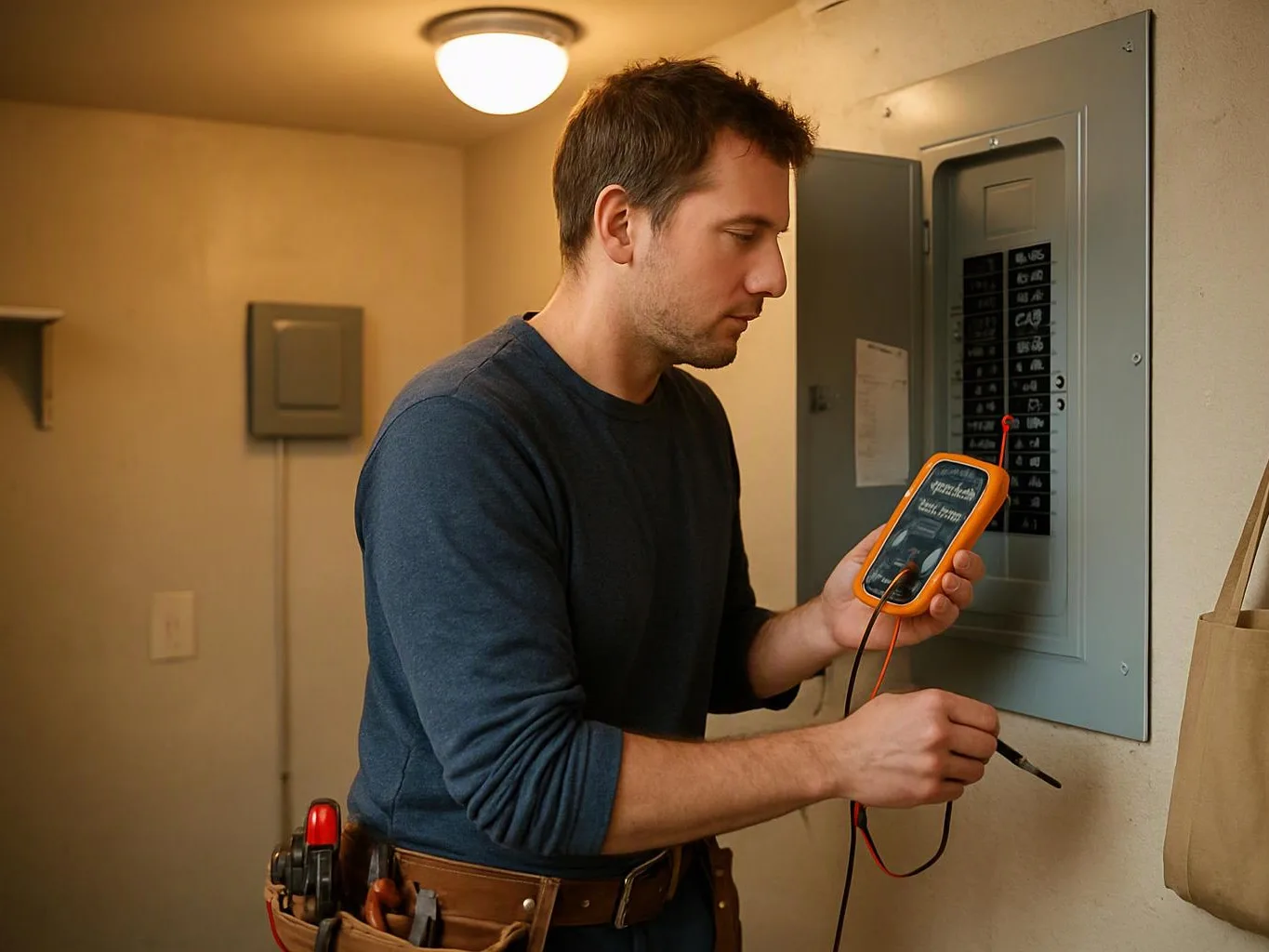
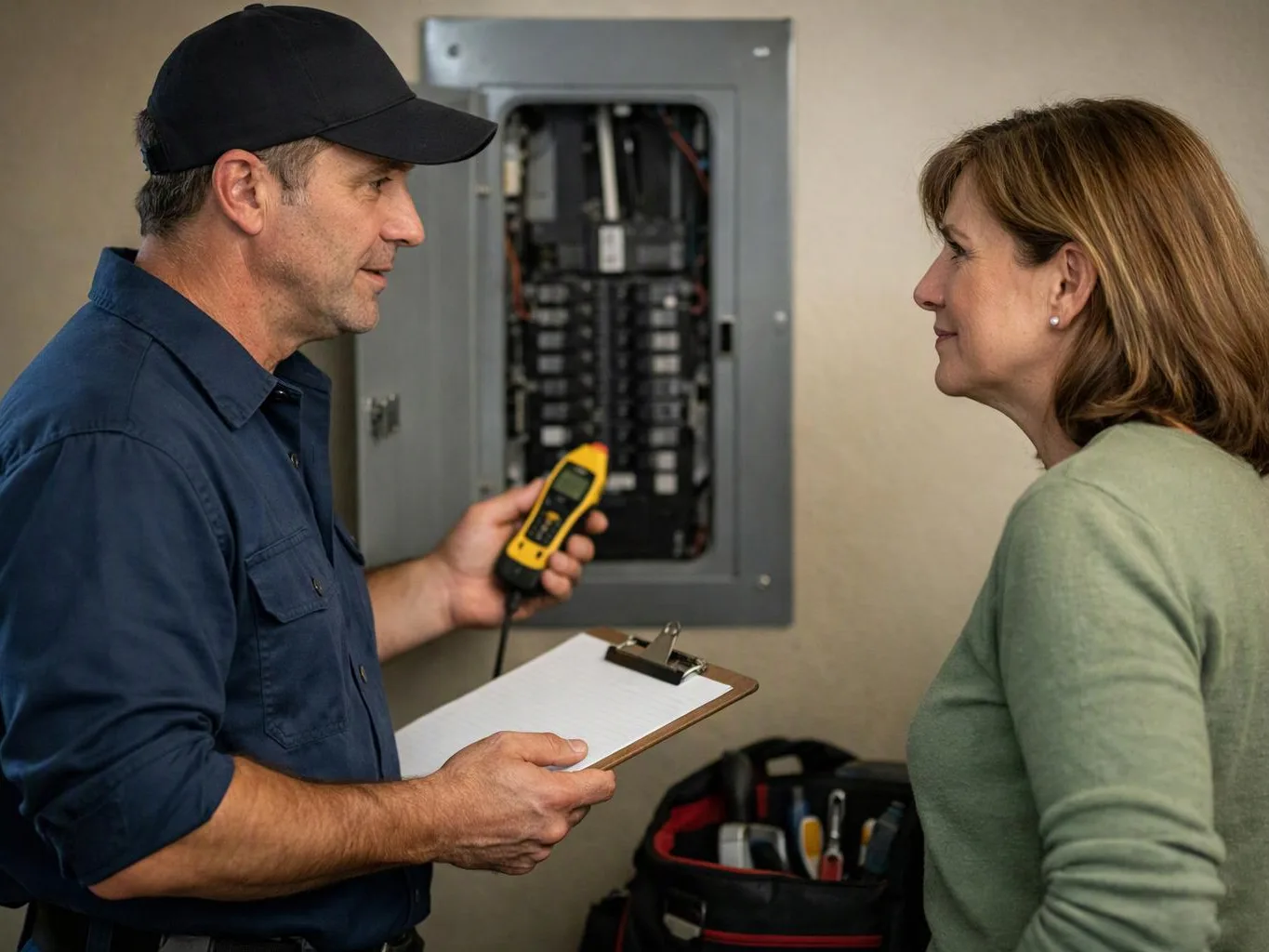
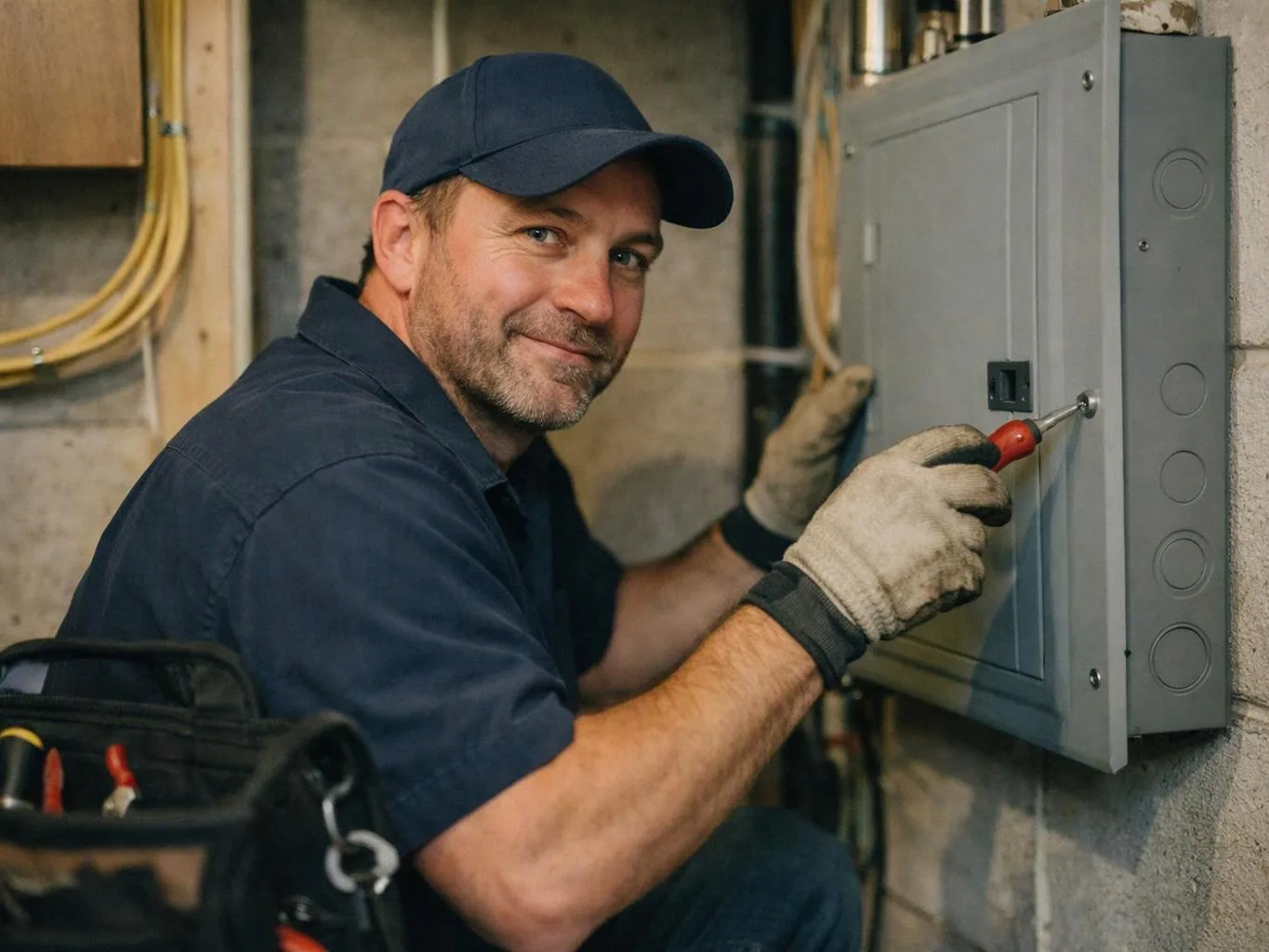
Overloaded circuits, loose terminals, arc faults, and exposed wires are hazards an electrical safety inspection can find. GMB Electric checks panels, breakers, outlets, switches, and visible wiring for warning signs. A burning smell, buzzing panel, or sparking outlet calls for caution. Turn off the affected circuit when safe and request an inspection.
How can I tell whether an electrical safety inspection fits my property?
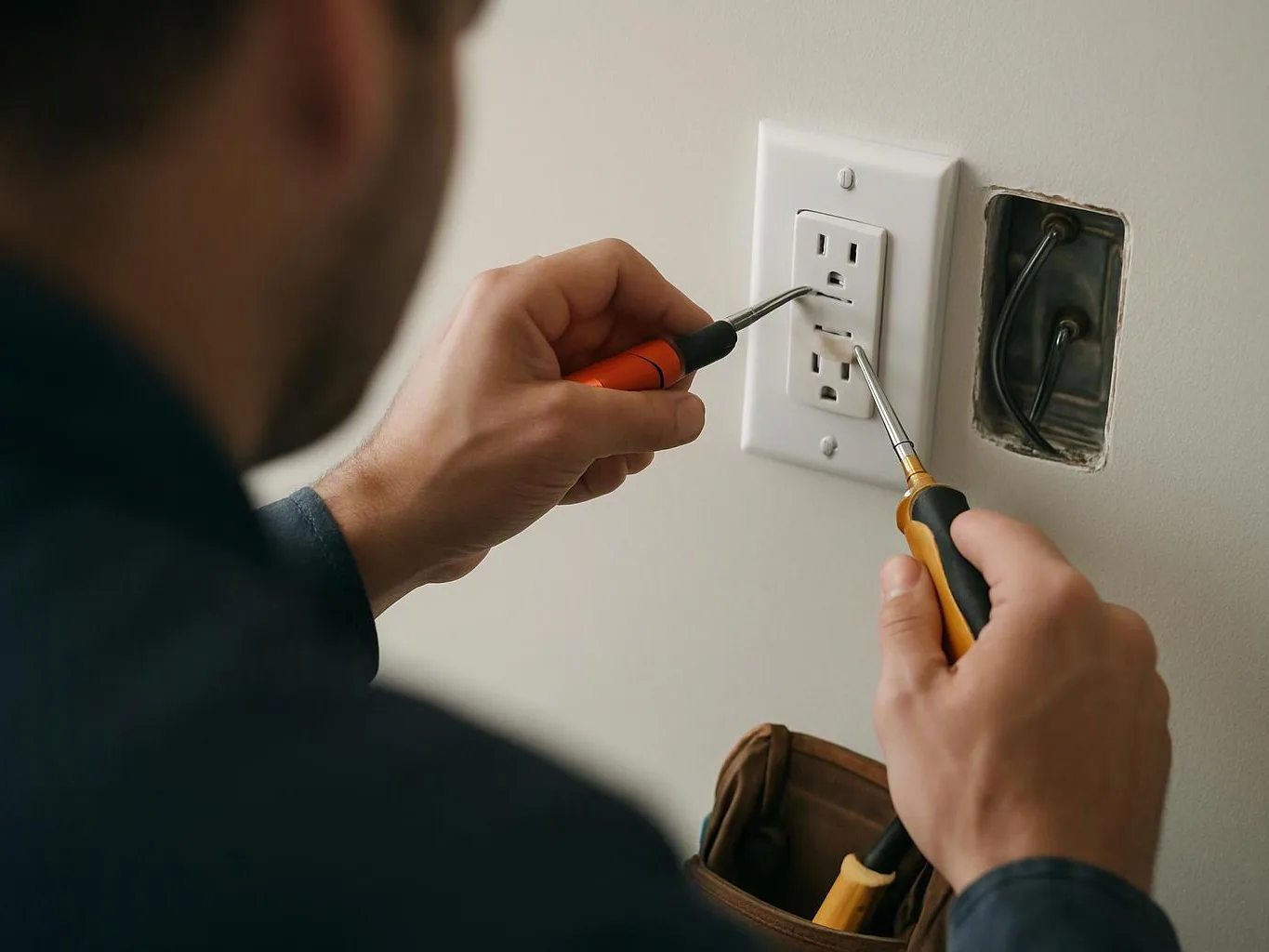
A safety inspection fits properties with repeated breaker trips, flickering lights, warm switch plates, dead outlets, or planned electrical changes. The review also suits buyers, landlords, and businesses that need a condition check. Active sparking, smoke, or a burning smell points to urgent electrical repair, not a routine inspection alone.
Which part of the property decides the inspection scope?
The panel and affected circuits usually decide the inspection scope. We follow the symptom from the breaker to connected outlets, switches, wiring, and equipment. A property with several problem areas needs a broader review than one outlet with a clear, isolated fault. Access to the panel and visible wiring also shapes the inspection.
Which material changes the inspection work?
Exposed or damaged wiring changes the inspection work because we must check its condition, routing, insulation, and connections. Aluminum wiring, knob-and-tube wiring, and two-prong ungrounded outlets can also call for closer review. We explain what the material means for repair, replacement, grounding, or later electrical improvements.
Why does a breaker keep tripping after it is reset?
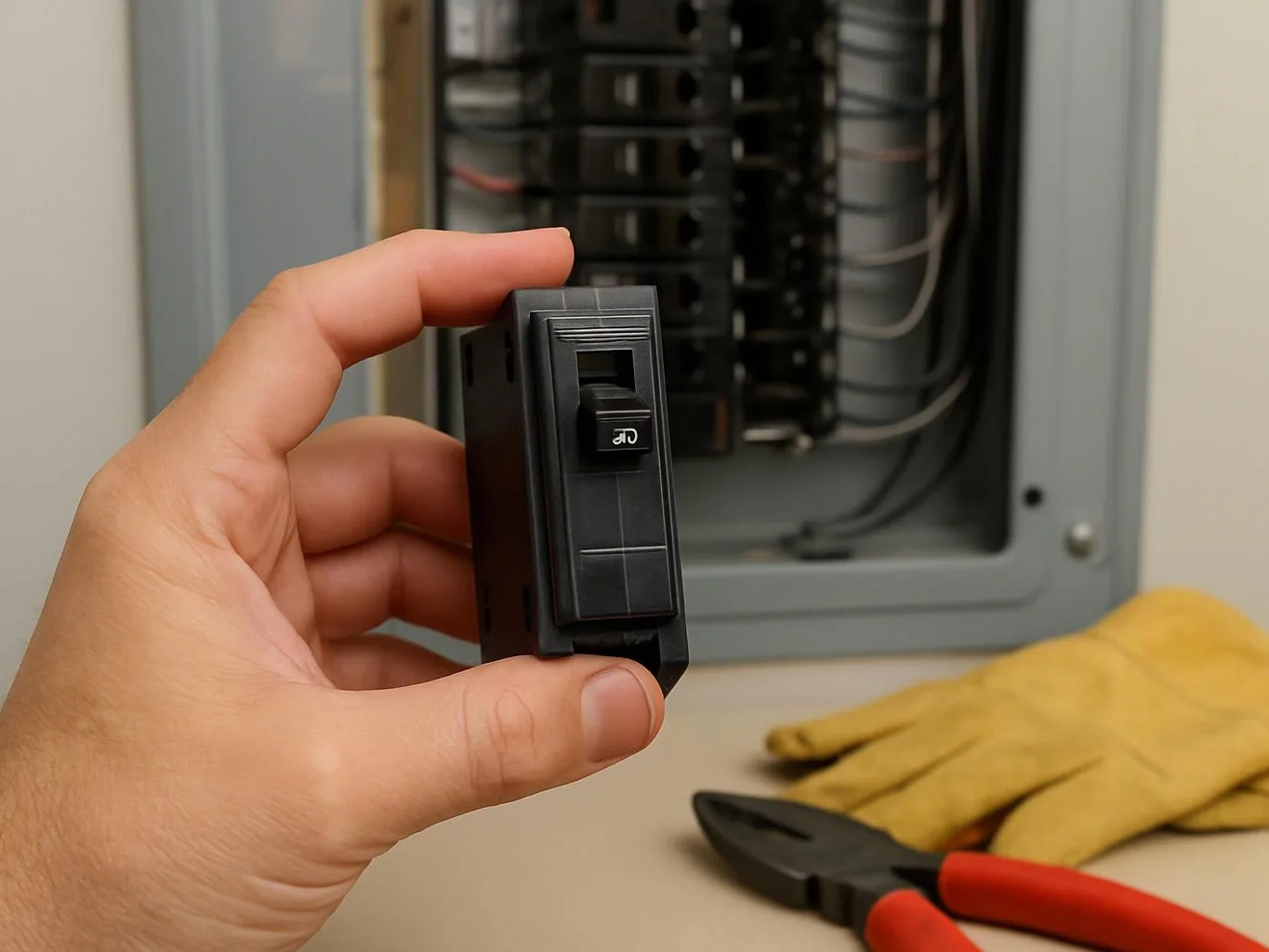
A breaker may keep tripping because the circuit carries too much load or has a wiring, connection, or equipment fault. We trace the circuit and inspect terminals, outlets, and the panel. Repeated resets do not solve the cause. Leave the circuit off when safe if the breaker trips again or the area feels hot.
What changes the estimate for this inspection work?
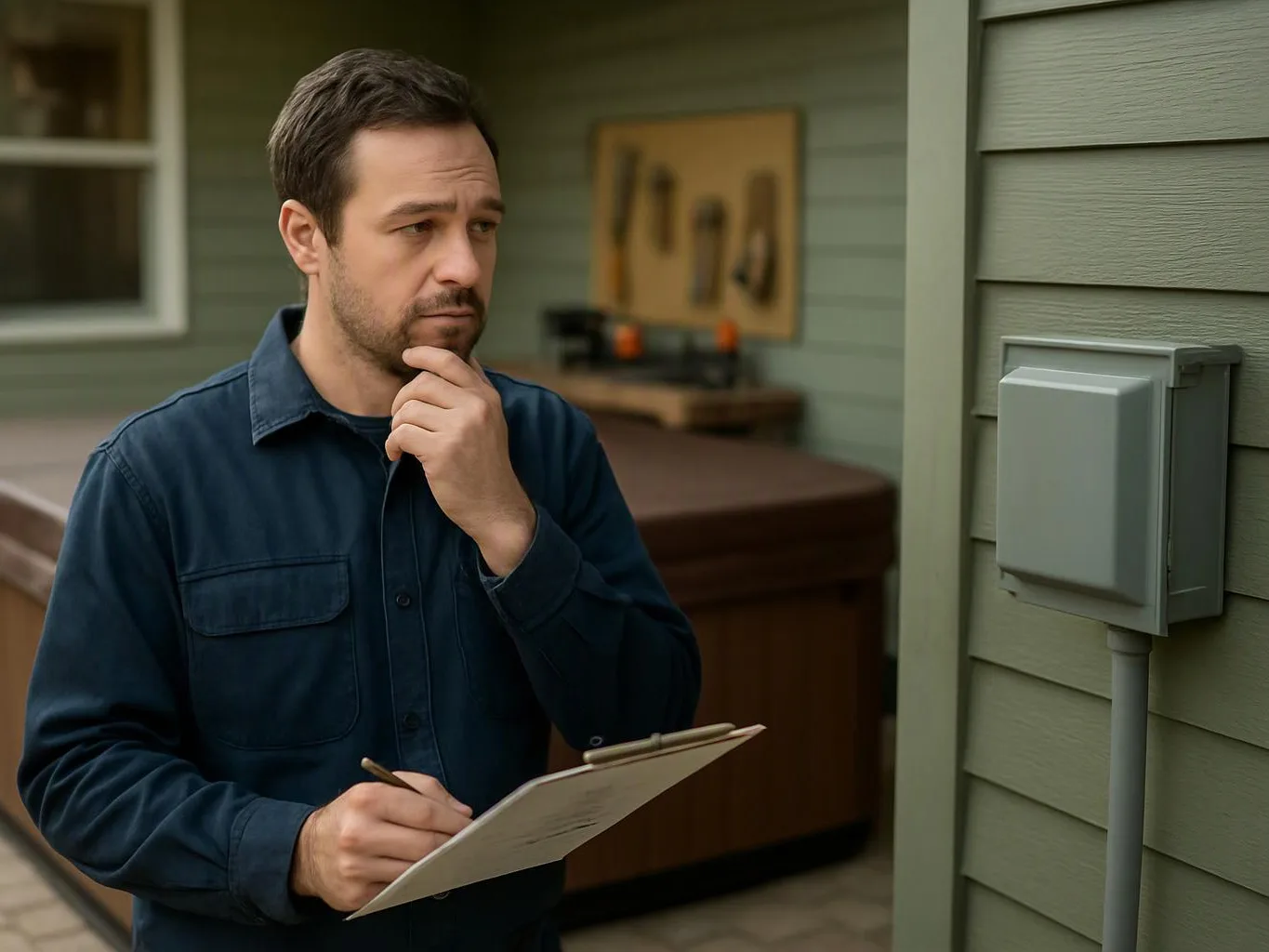
The estimate changes with the property type, panel access, circuit count, visible wiring, and repairs found during testing. A small review may lead to one repair, while a broader panel or wiring issue can require more work. We discuss the findings and provide a free estimate before recommended repairs begin.