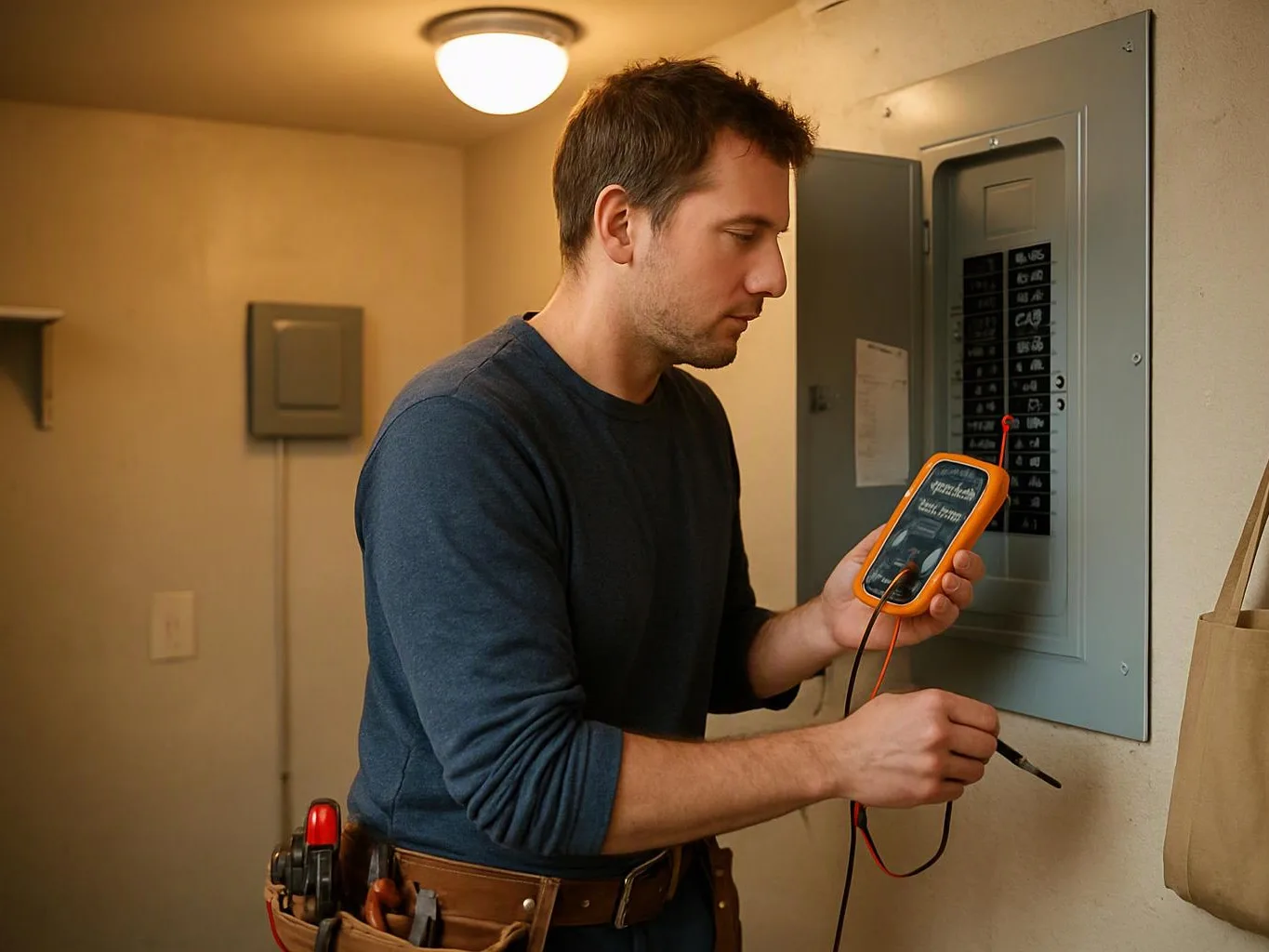
What issues require electrical code correction?
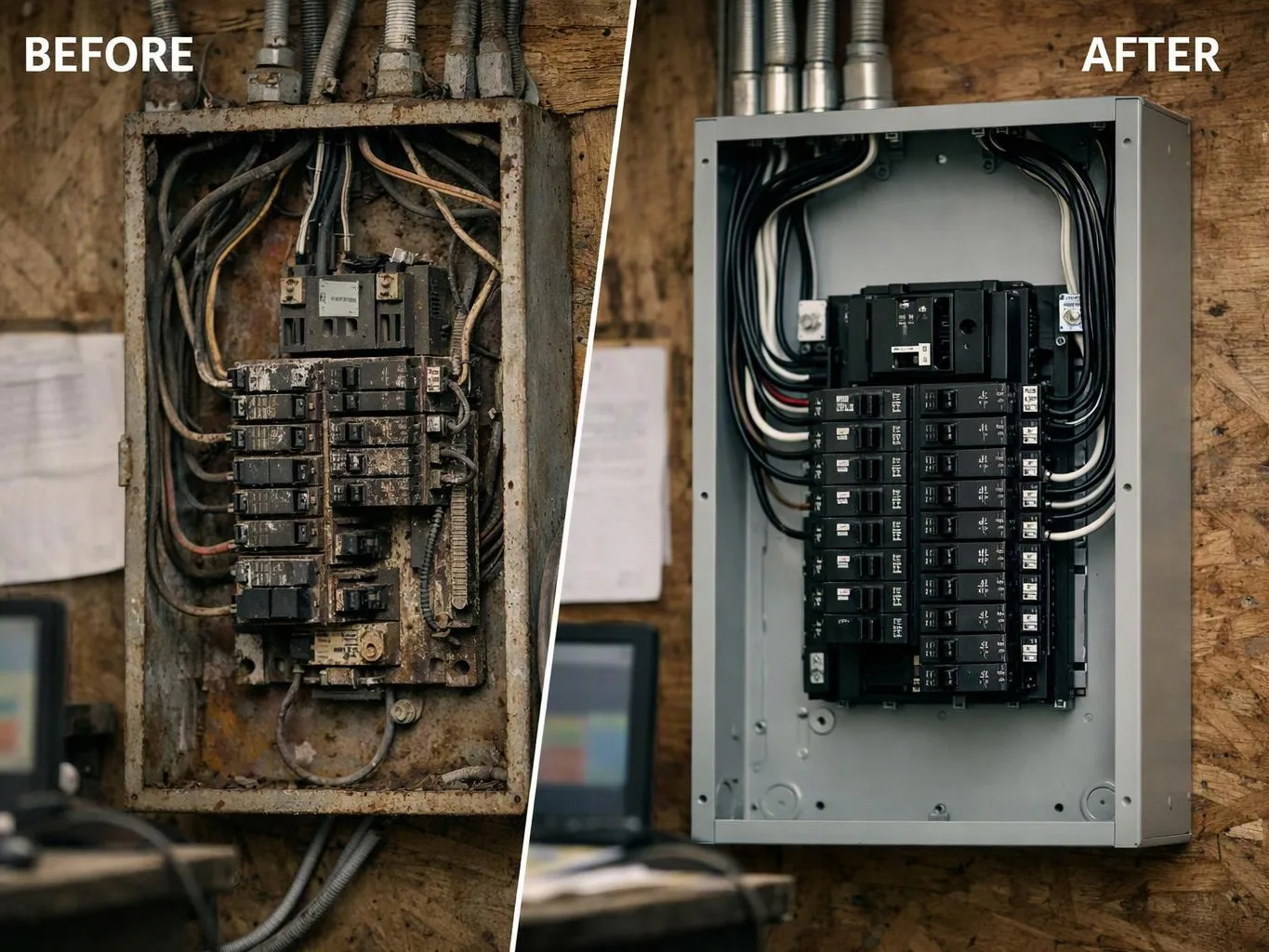
Open junctions, improper wiring, missing grounding, and overcrowded panels require code correction when they create an unsafe or noncompliant installation. GMB Electric checks the affected circuit, boxes, conductors, and panel connections. We then explain whether the right work is a focused repair, rewiring, grounding correction, or equipment replacement.
How can I tell whether code correction fits my property?
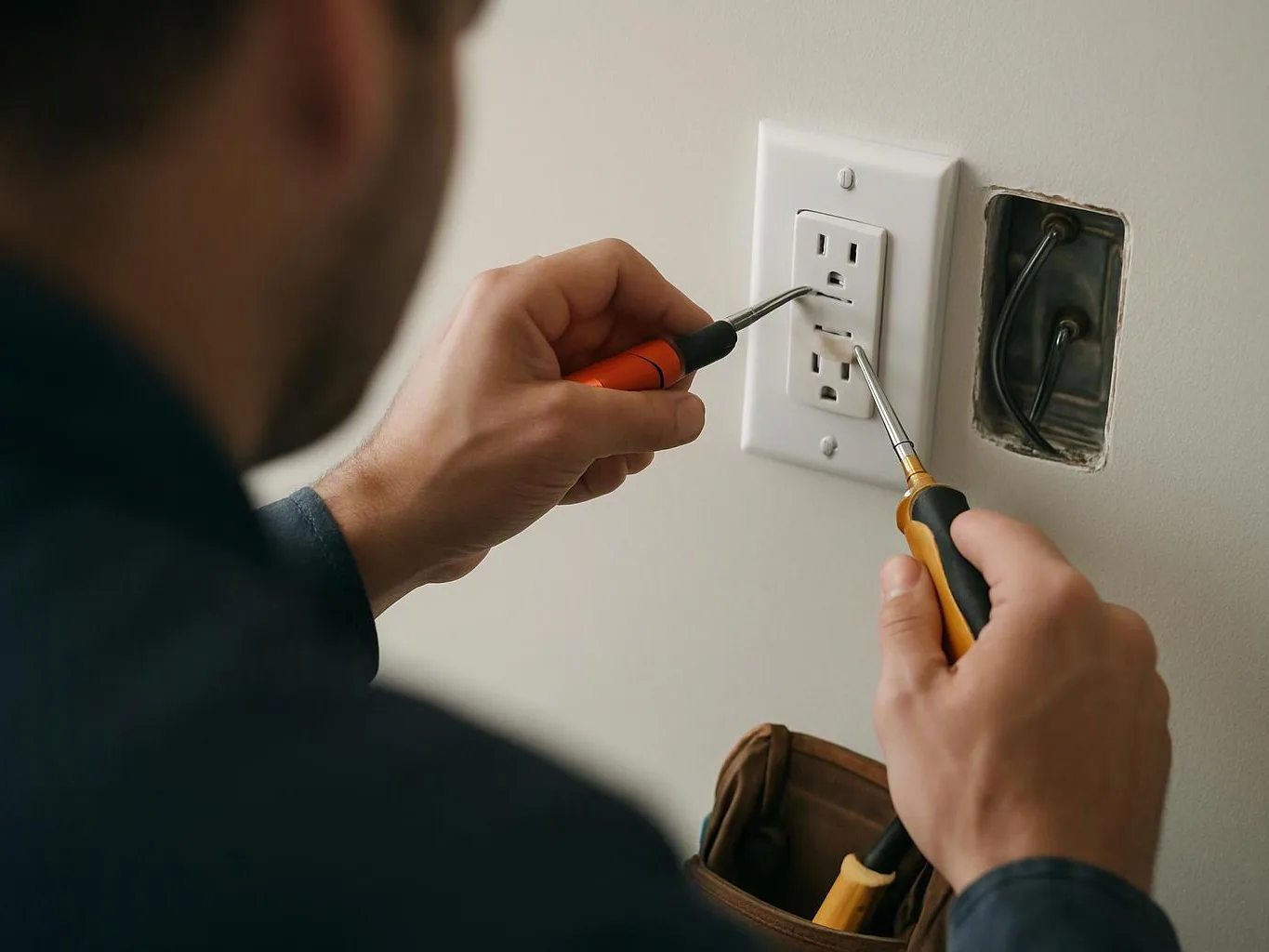
Inspection findings, exposed wire connections, warm switch plates, dead outlets, and repeated breaker trips can point to code-related work. We inspect the actual circuit before choosing a repair. A utility outage or appliance fault needs a different service path.
Which part of the property decides the repair scope?
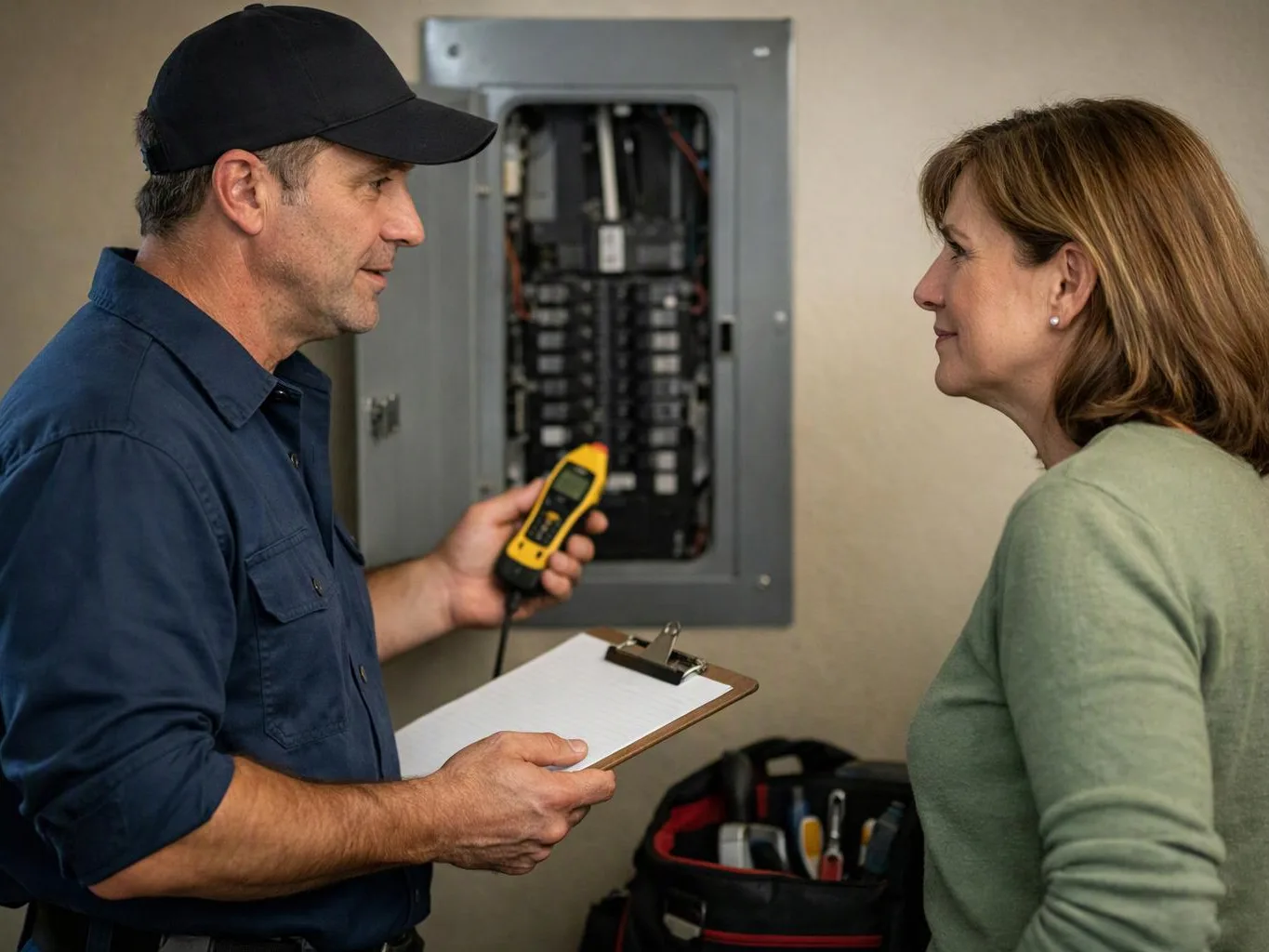
The affected circuit and its access points decide the repair scope. Panel space, wire condition, junction locations, grounding paths, and connected devices all matter. Photos and inspection notes help us prepare, but we confirm the scope through an on-site electrical check.
Which material changes how long correction work takes?
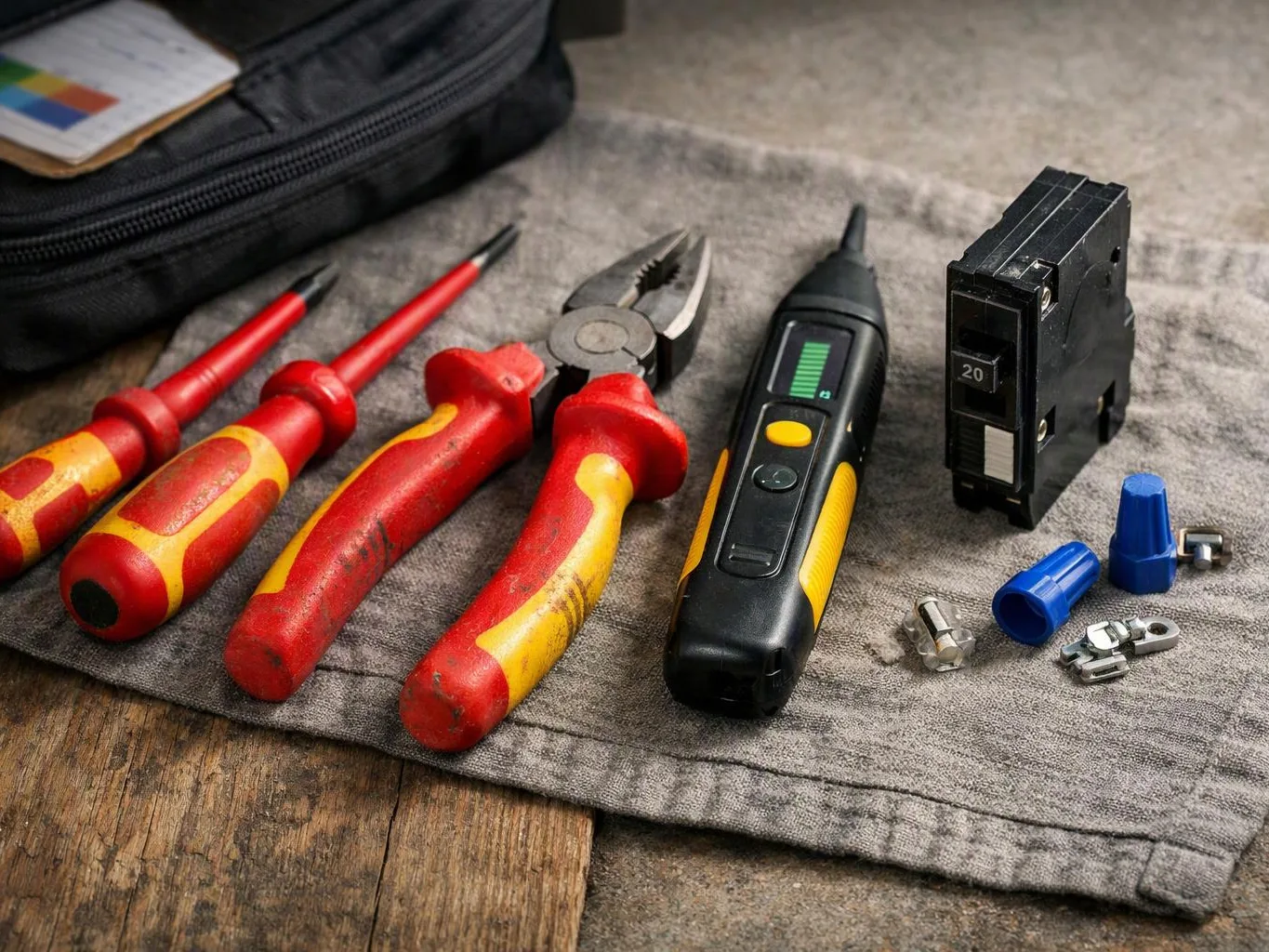
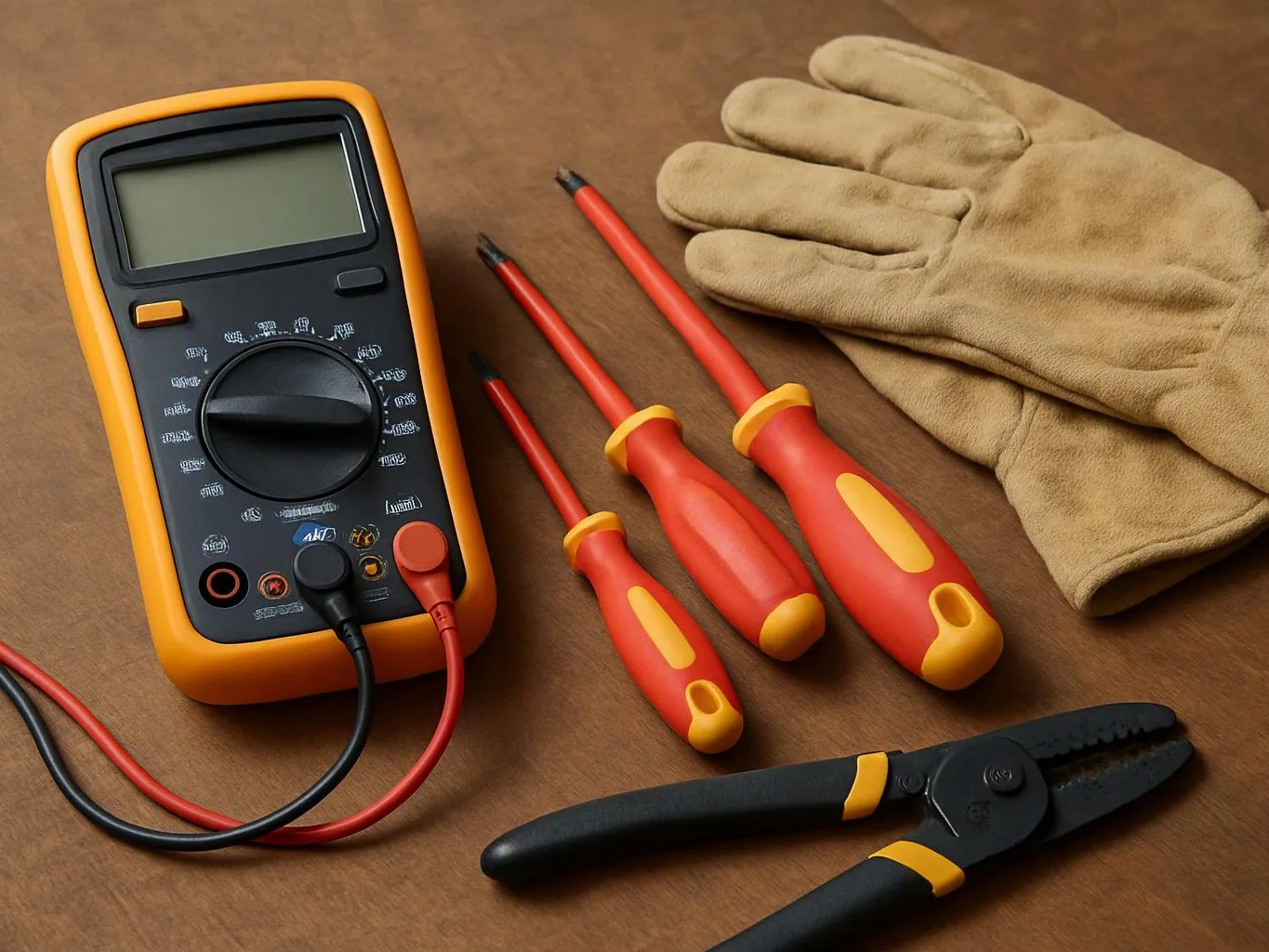
The existing wire type and condition can change the work involved. Copper conductors, aluminum wiring, damaged insulation, conduit, and concealed cable each require different checks. We inspect the material and access path before explaining the work needed.
When should I request an electrical safety inspection?
Request an inspection after an open connection, burning smell, buzzing panel, or repeated breaker trip appears. We check the affected circuit and isolate unsafe conditions before setting the correction scope. Stop using a device that shows heat, smoke, or sparking.
Why does a panel become overcrowded?
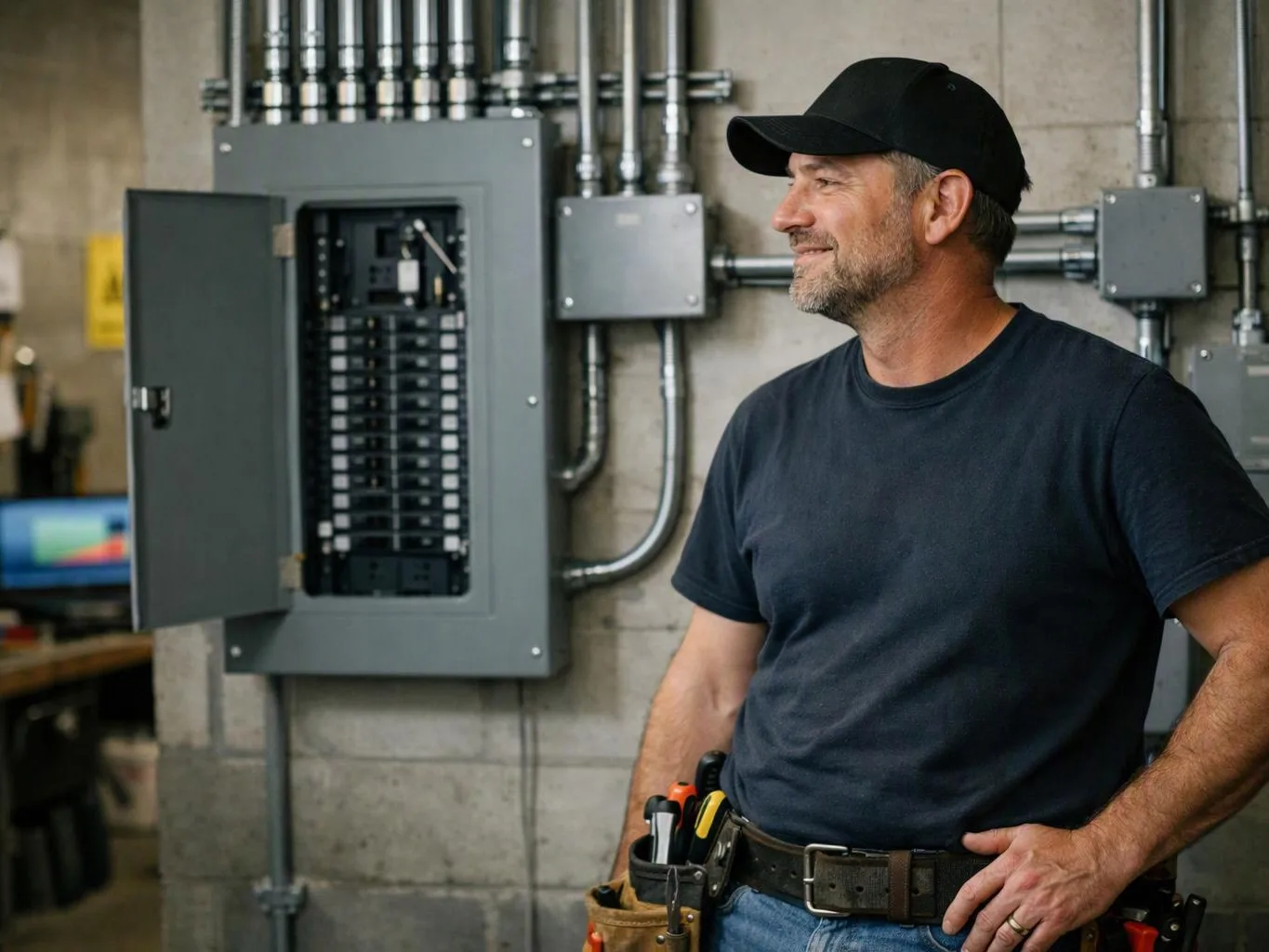
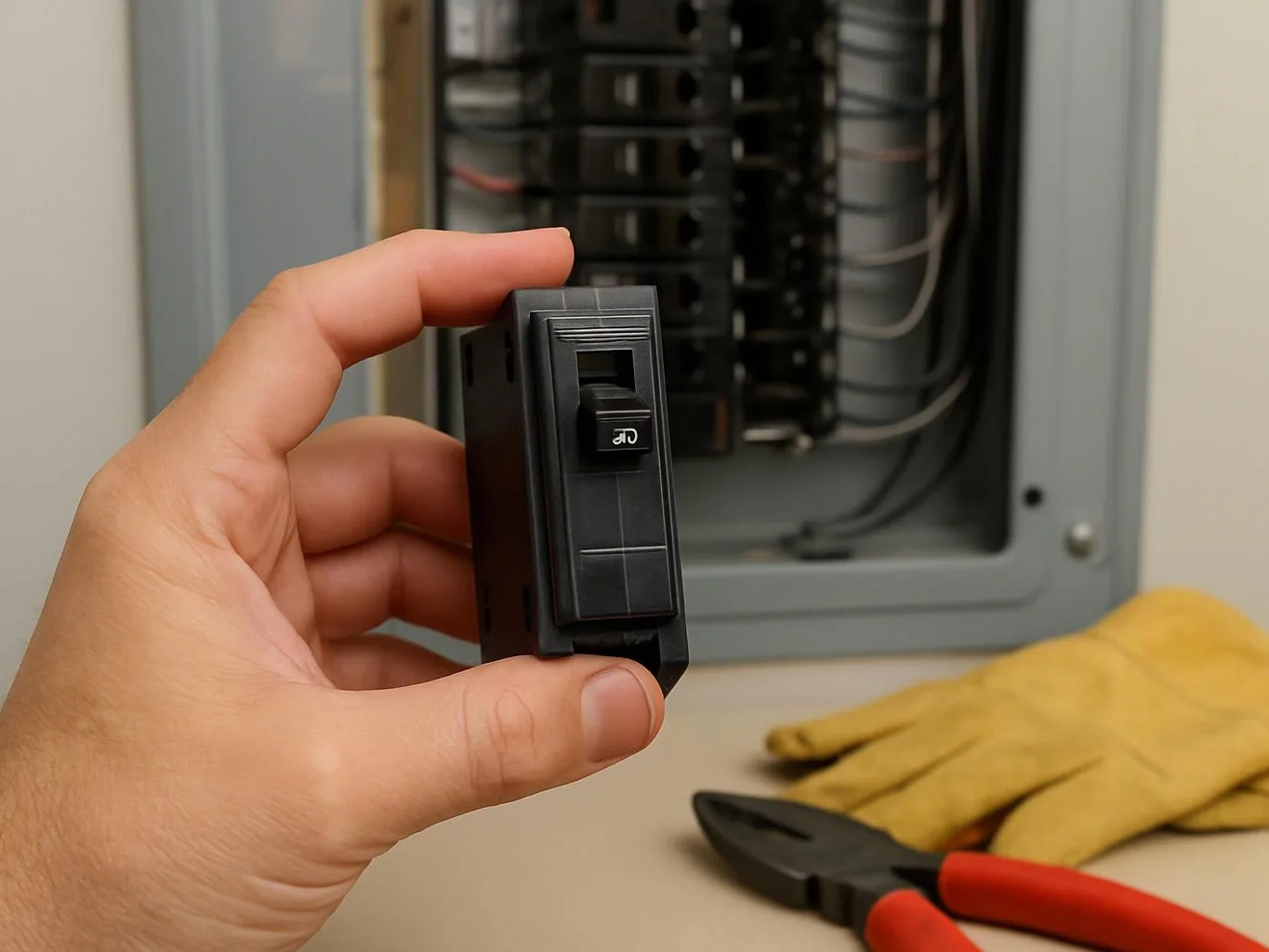
A panel becomes overcrowded when circuits, breakers, or conductors exceed the available layout or capacity. We inspect the panel, load needs, breaker arrangement, and service conductors. The correction may involve circuit changes, a subpanel, or a service upgrade.
What should I provide when requesting a quote?
Inspection notes, photos of the panel and affected area, the property type, and the symptoms help define the request. We use those details to plan the assessment. The final quote follows our review of access, wiring, materials, and related electrical defects.