What problems can result from code violations?
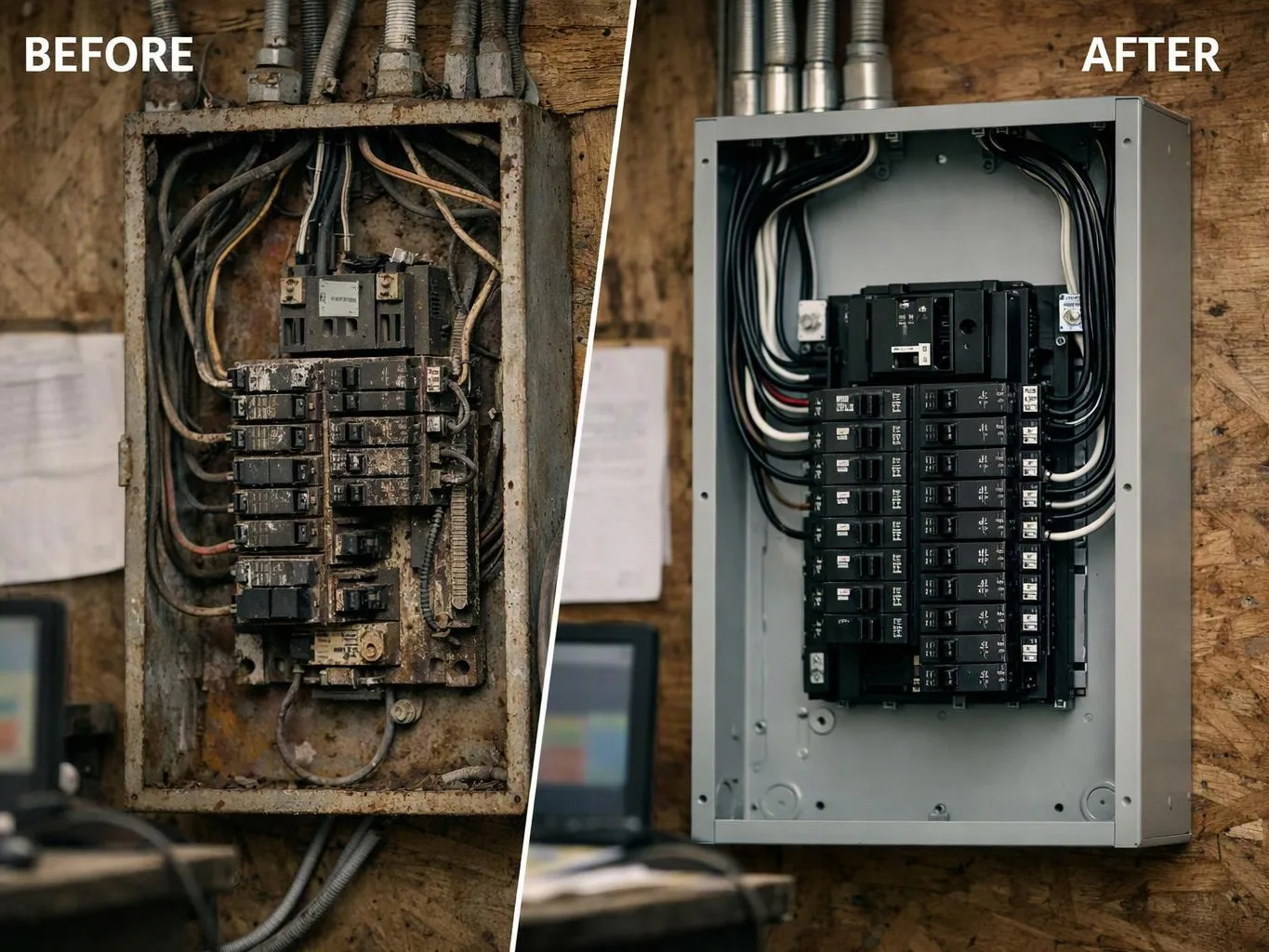
Fire hazards, shock risks, failed inspections, and insurance concerns can result from electrical code violations. Loose connections, damaged insulation, missing grounding, and incorrect breaker protection can leave a circuit unsafe. We inspect the condition, isolate the affected circuit, and explain the correction needed.
How does an electrical code correction visit move from the first call to the last step?
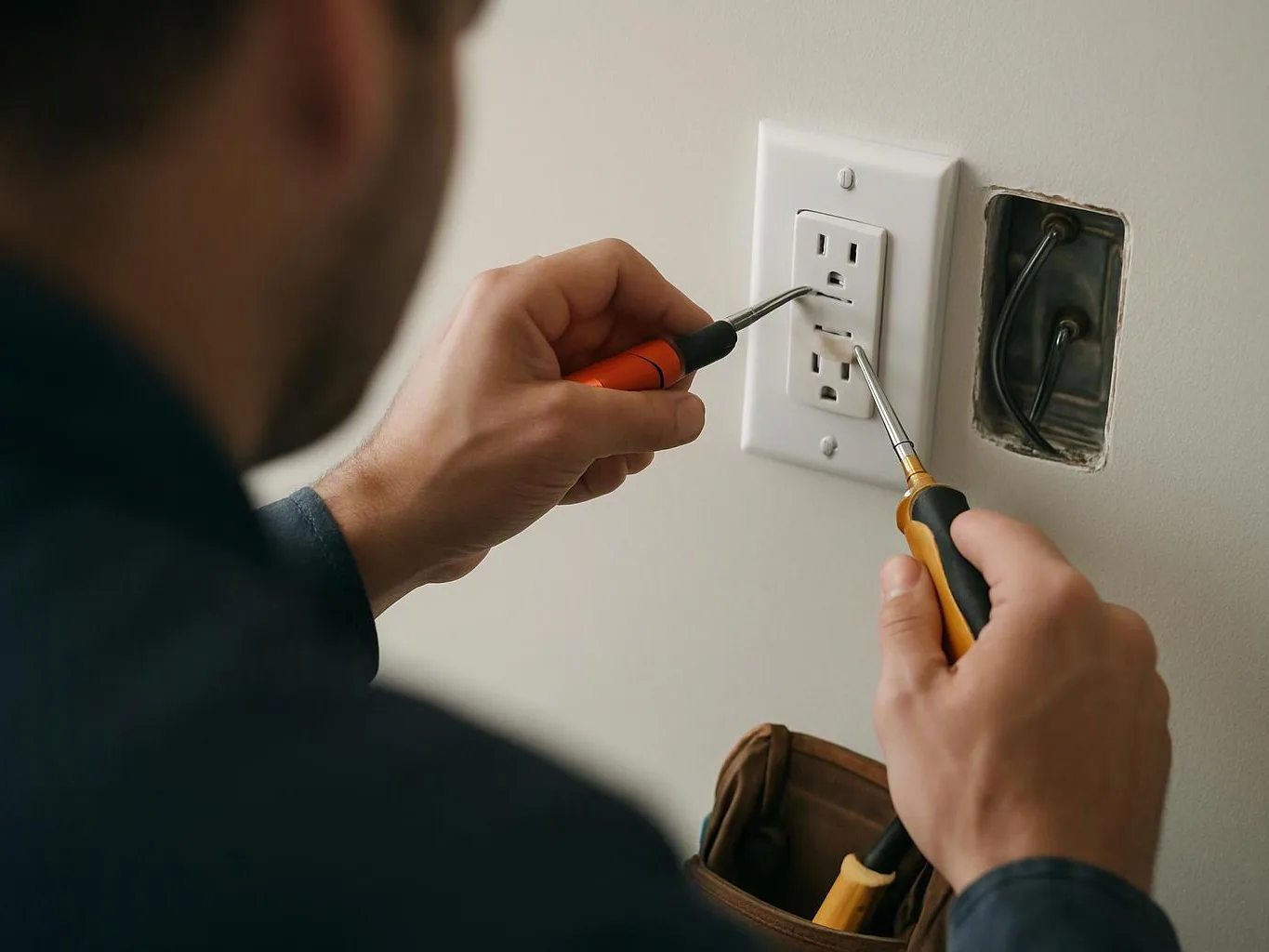
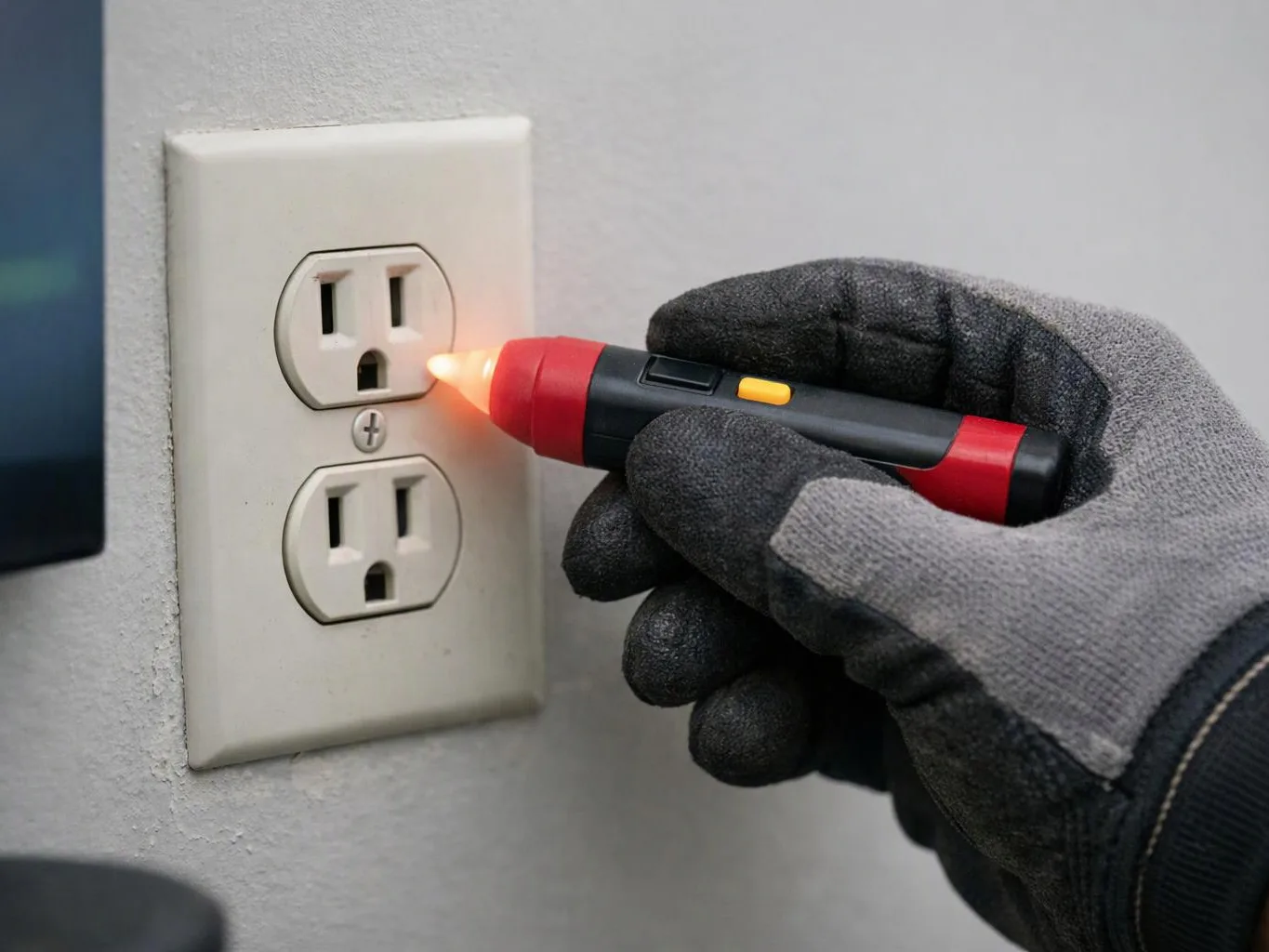
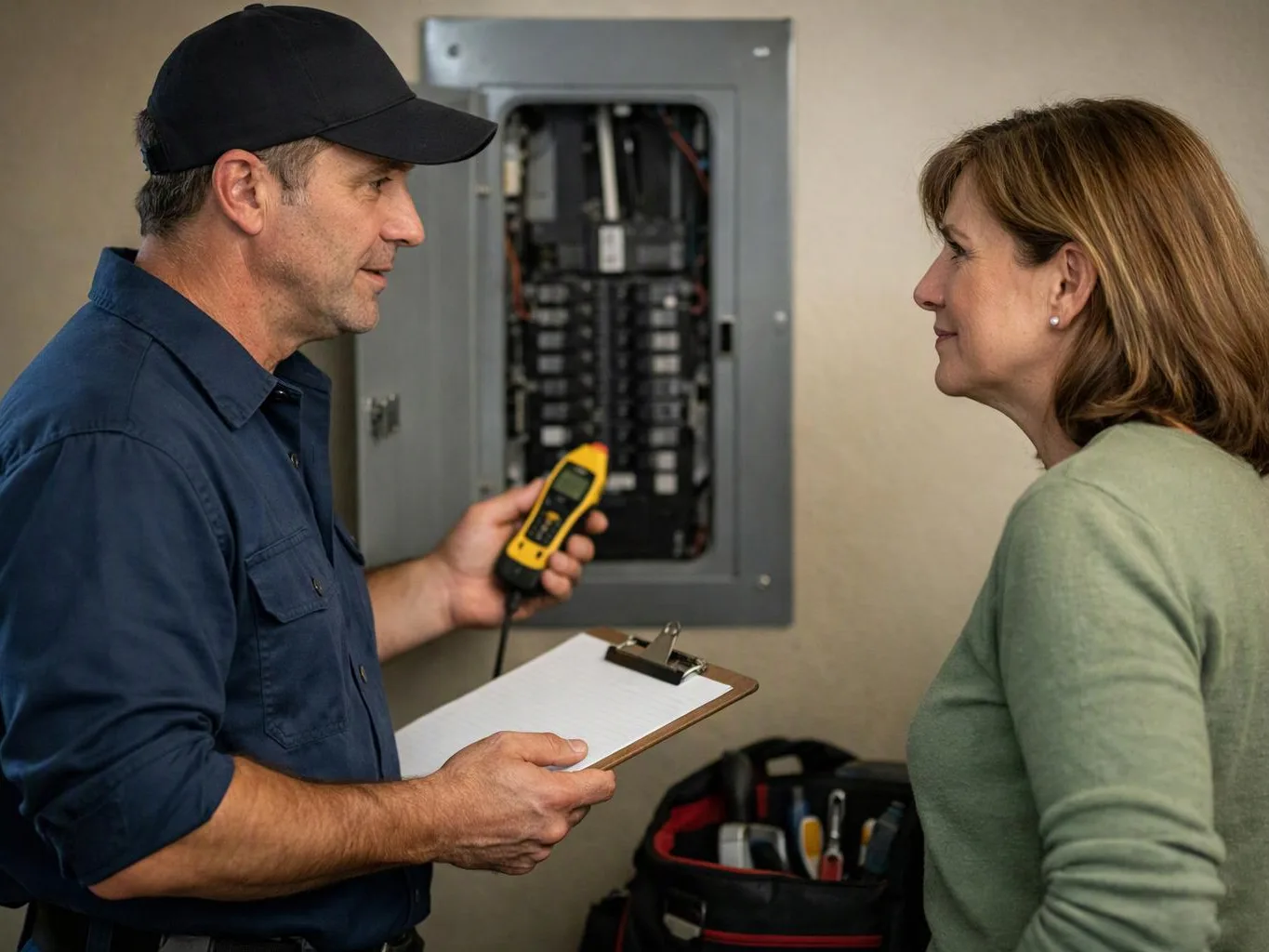
The visit moves from symptom review to circuit inspection, repair planning, correction, and testing. We check the panel and affected devices first. Then we trace the wiring, explain the scope, complete the agreed repair, and verify the repaired circuit.
Which material changes how long electrical code correction takes?
The wiring material and its access path can change the work involved. Aluminum wiring, older cable, damaged insulation, and concealed conductors need different checks. We identify the material, inspect its connections, and explain whether the correction stays local or reaches another part of the circuit.
When does a code concern need urgent electrical attention?
A code concern needs urgent attention when a panel buzzes, an outlet smells hot, wiring sparks, or a breaker trips repeatedly. Turn off the affected circuit if it is safe to do so. We inspect the hazard and address the repair scope without treating damaged equipment as routine maintenance.
Why can a repaired circuit keep tripping its breaker?
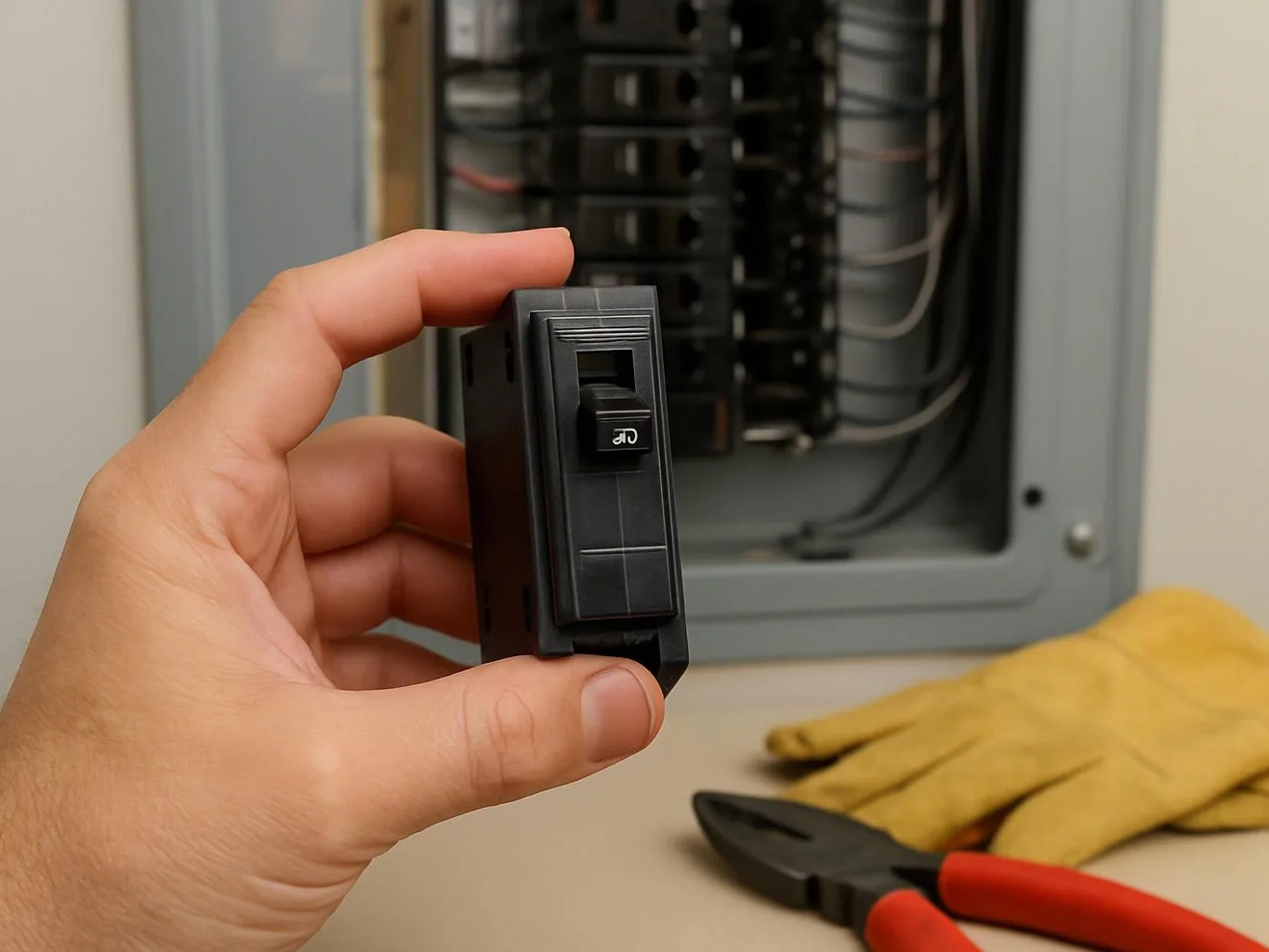
A repaired circuit can keep tripping because of an overload, short, damaged device, loose connection, or faulty breaker. We test the circuit under safe conditions and trace connected loads. Repeatedly resetting the breaker can leave the underlying fault active, so the circuit needs inspection.
How can a customer tell whether electrical code correction fits the property?
Electrical code correction fits when a property has a known wiring defect, inspection concern, grounding issue, unsafe outlet, or panel problem. We assess the specific condition and define the repair scope. Utility-side outages, appliance faults, and unrelated building repairs need a different service path.
What should I provide before requesting an electrical code assessment?
Inspection notes, photos of visible damage, the affected room, and the breaker label help us understand the concern. Keep the panel and affected outlets accessible. Do not remove covers or handle exposed wiring, because those actions can increase the safety risk.