What problems can result from code violations?
Failed inspections can point to fire hazards, shock risks, and insurance concerns. GMB Electric checks overloaded circuits, poor grounding, damaged wiring, and unsafe connections, then explains the repair needed. A code violation may also keep a sale, lease, or inspection process from moving forward until the electrical defect is corrected.
How is the repair matched to the property before work starts?
The property’s panel, circuit layout, wiring condition, and intended use determine the repair scope. We inspect the affected area and trace the circuit when needed. Residential and commercial systems may need different access and repair steps, so we review the actual installation before quoting the work.
What should be ready before electrical code correction starts?
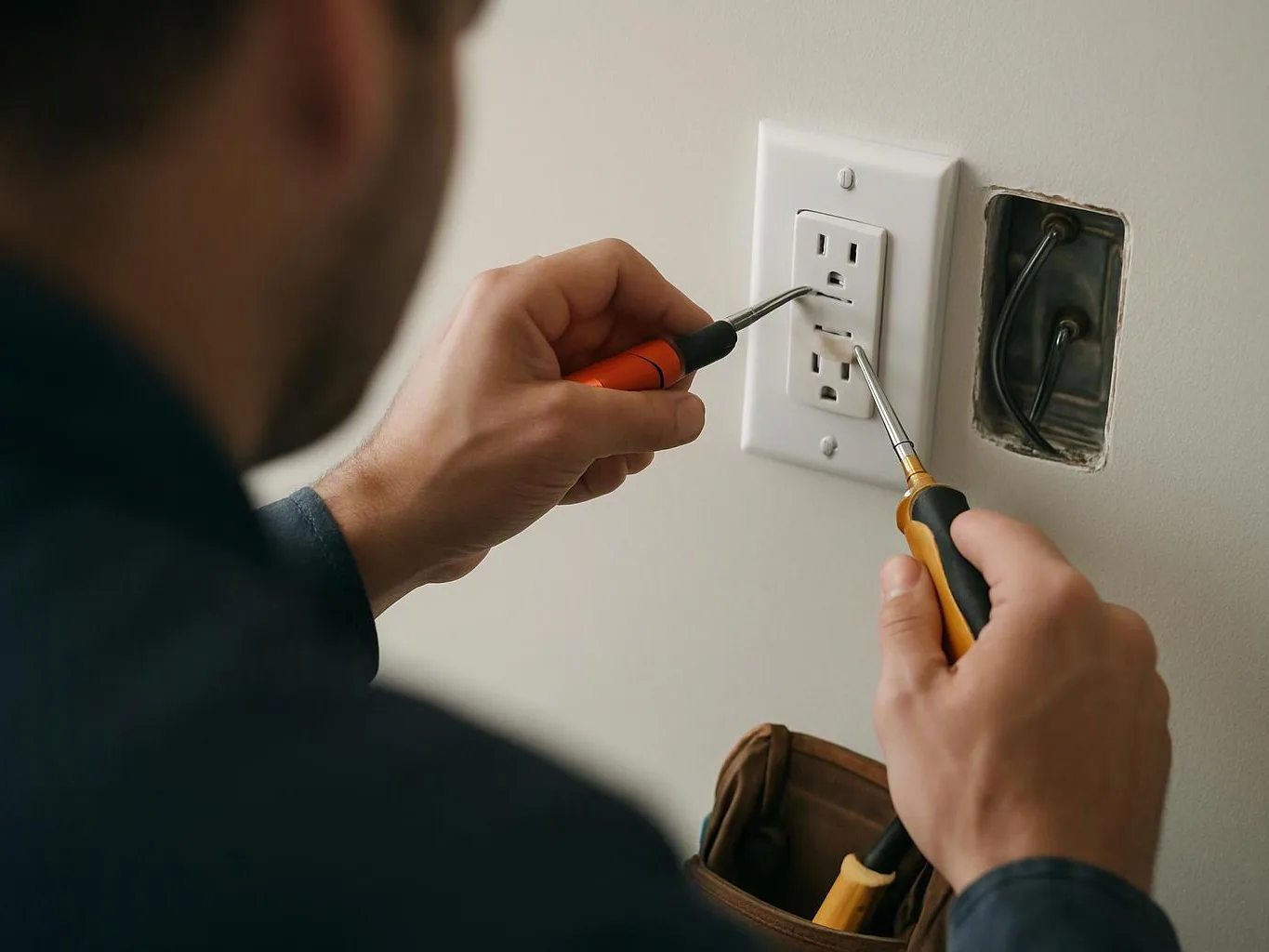
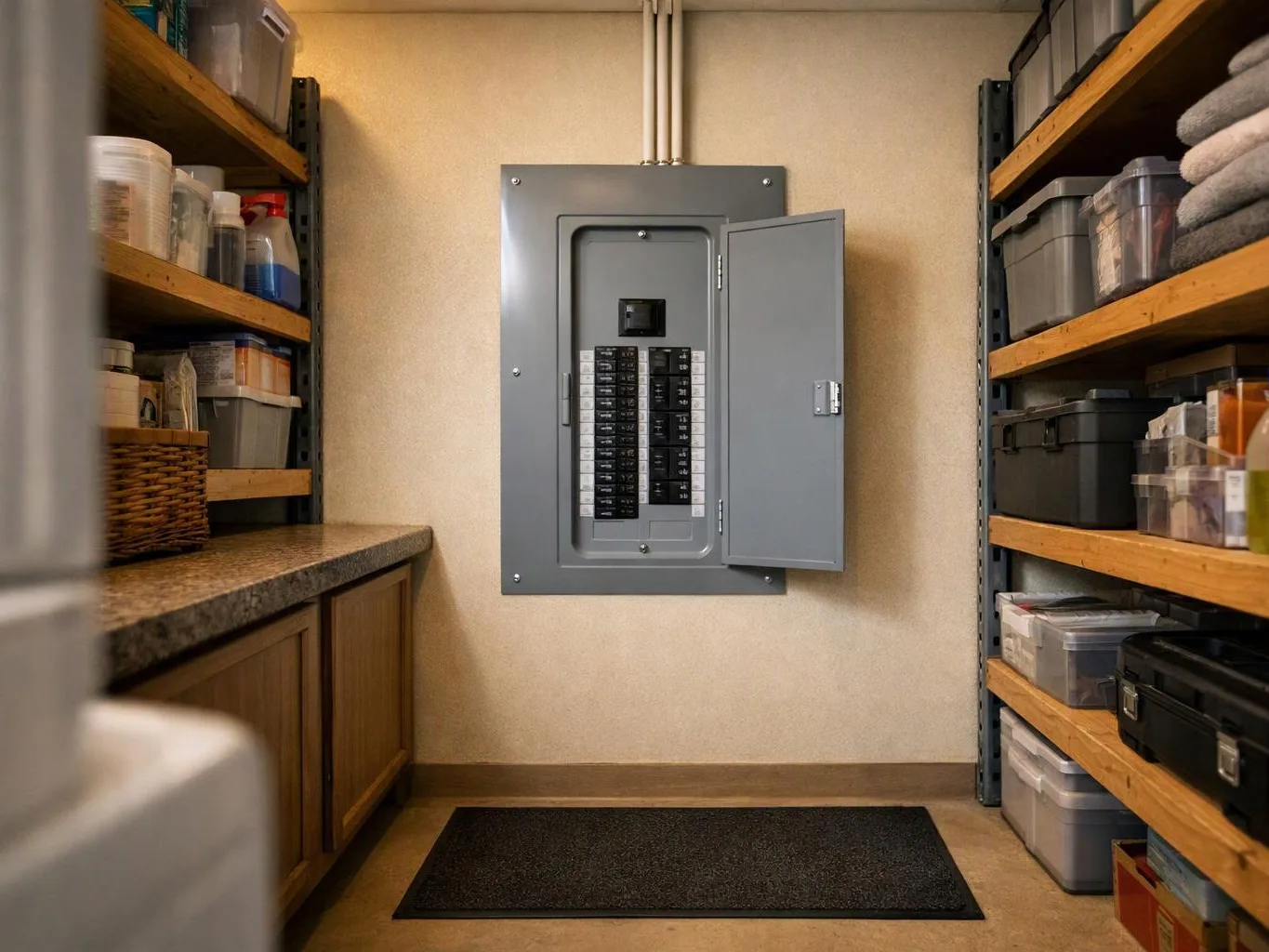
Inspection notes, access to the electrical panel, and photos of the listed concern help prepare the assessment. We also need access to affected outlets, switches, fixtures, or equipment. Keep the inspection paperwork available, and do not remove covers or handle damaged wiring before we review the condition.
What should a customer ask before agreeing to the repair?
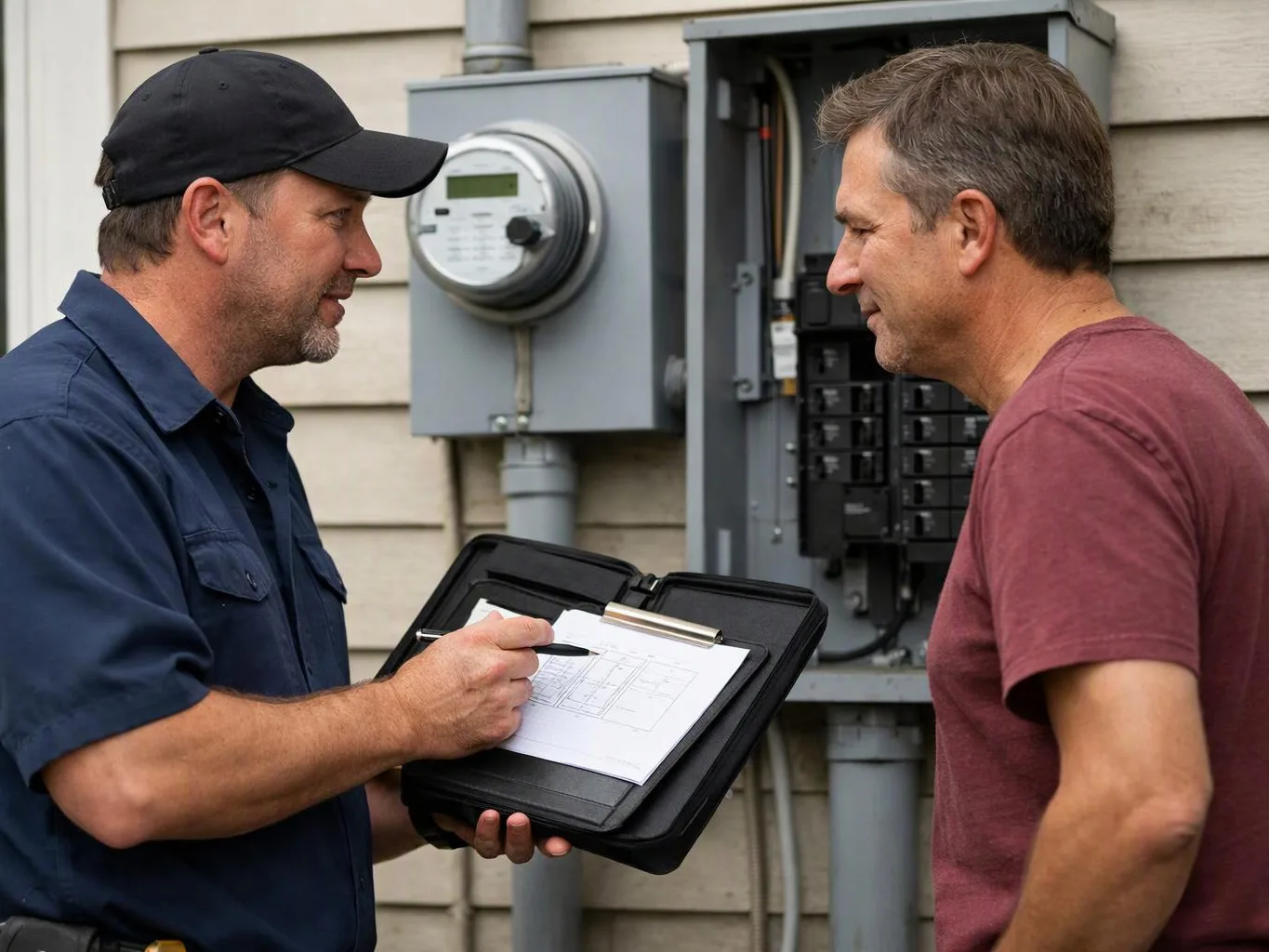
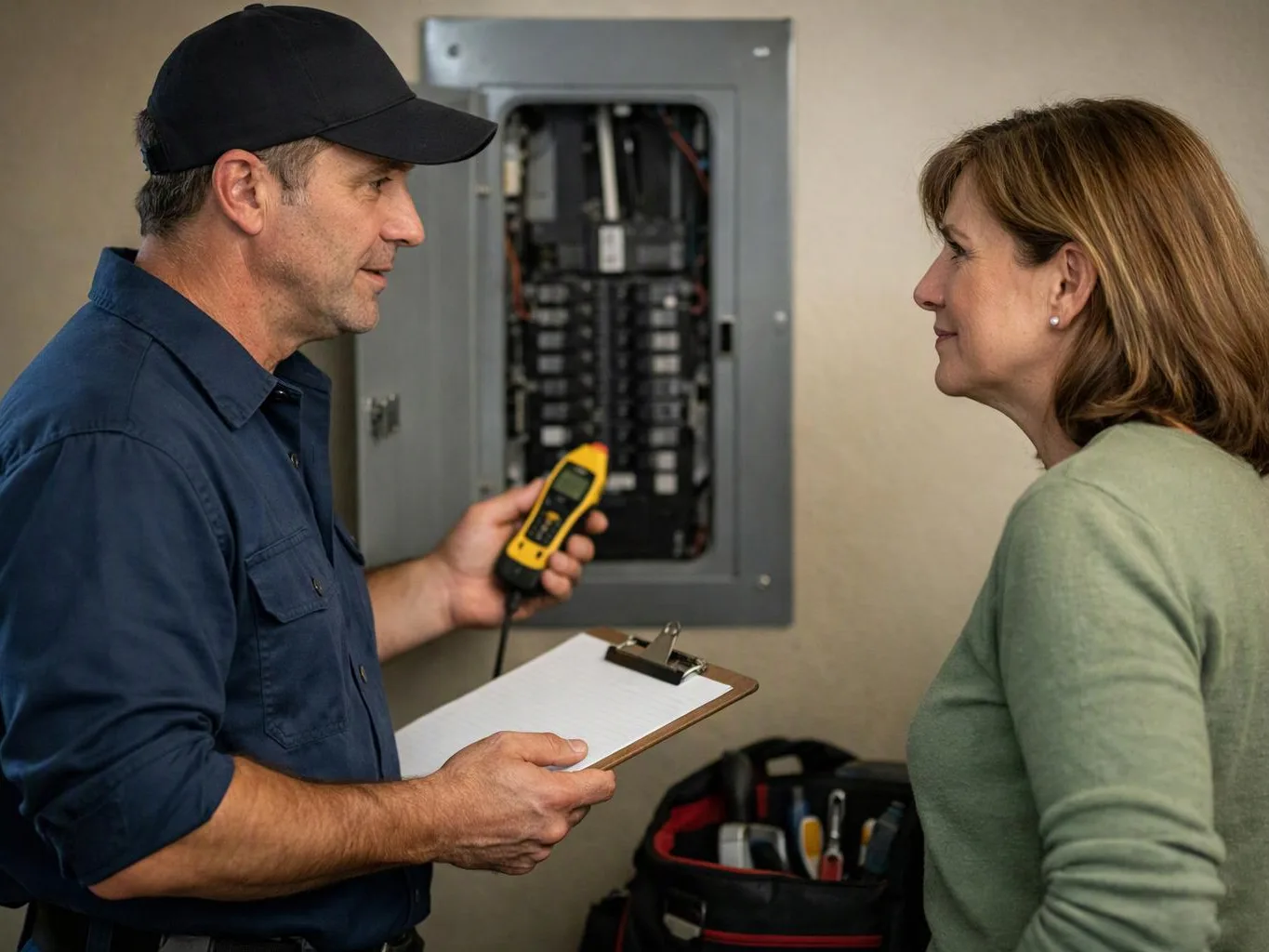
Ask which failed item the work addresses and whether the plan calls for adjustment, repair, or replacement. Confirm which wiring, panel parts, outlets, or grounding components are included. We explain the scope, testing, and estimate before work begins so you can make an informed decision.
Which part of this job changes the estimate most?
The repair scope changes the estimate most when the issue reaches beyond one outlet or connection. Panel work, hidden wiring, difficult access, grounding faults, and part replacement require different work. We inspect the affected circuit and provide a free estimate based on the actual condition.
When should a failed inspection concern become urgent?
A burning smell, buzzing panel, sparking outlet, or warm switch plate needs urgent attention. These signs can point to an active electrical hazard. Turn off the affected circuit only if it is safe to do so, keep clear of damaged parts, and request electrical service for an assessment.
Why does a breaker keep tripping after an inspection issue?
A breaker can keep tripping because of an overloaded circuit, damaged wiring, a short, or a connected device fault. We inspect the breaker, trace the circuit, and test connected outlets and equipment. Repeated resets can leave the underlying problem in service, so the circuit needs a proper diagnosis.