What should be inspected after a commercial electrical outage?
Emergency circuits should be inspected first, followed by the main disconnect, distribution panel, grounding conductors, and surge damage. We look for tripped breakers, heat marks, loose connections, damaged wiring, and failed protective parts. The inspection then separates a building-side fault from an outside utility problem. Keep damaged equipment out of service until the affected circuit is tested.
Who is a good fit for commercial electrical repair, and who needs a different service?
Businesses with an existing electrical fault, outage symptom, damaged circuit, or failed panel part are good fits for commercial electrical repair. New construction, a full wiring project, or a major service expansion may need installation or upgrade planning. We review the property issue and identify the proper scope before work begins.
What does the crew look at first during commercial electrical repair?
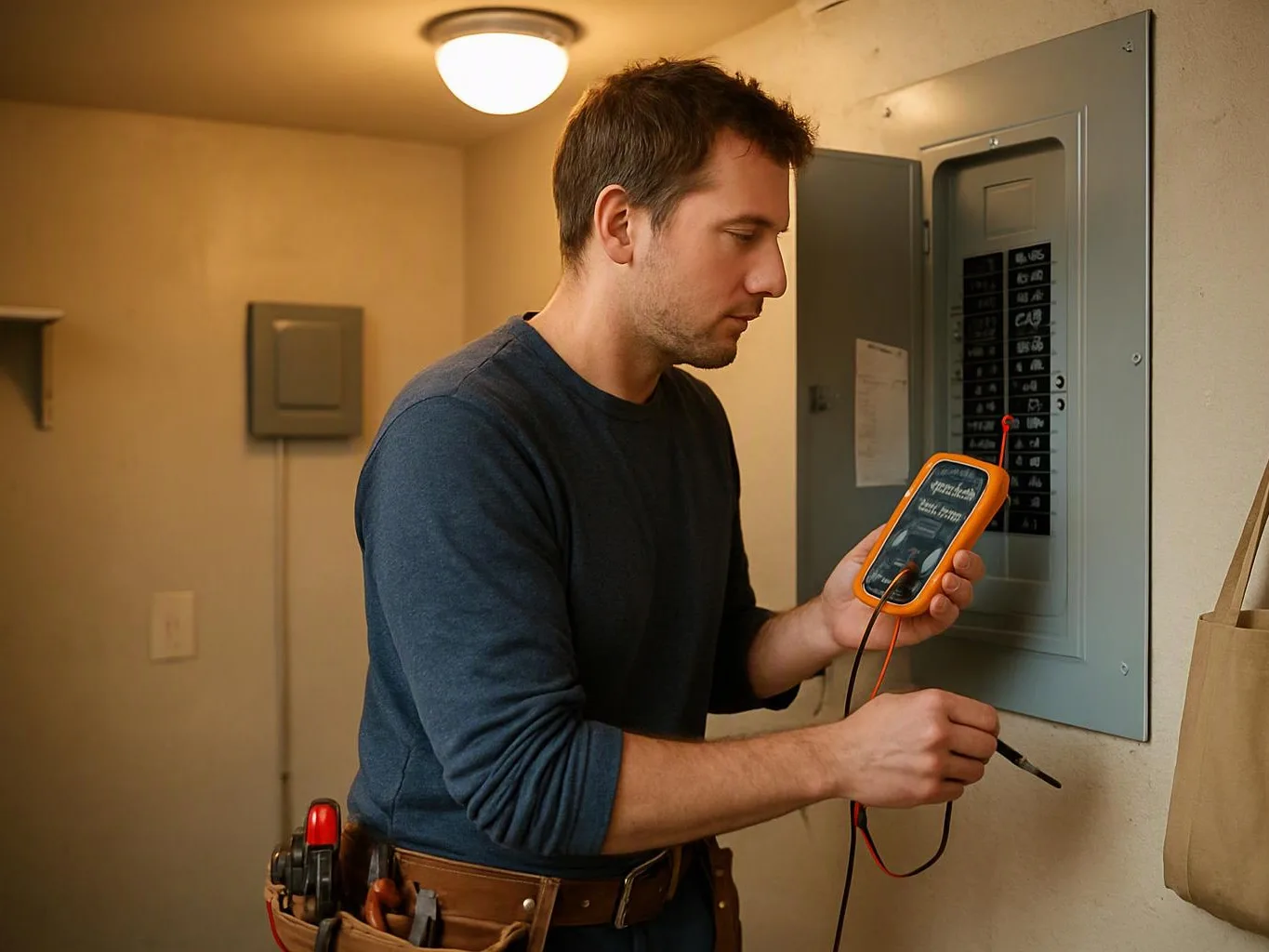
The main disconnect and distribution panel are checked first when an outage affects a commercial property. We look for tripped breakers, heat, loose terminations, damaged conductors, and signs of surge activity. Circuit tracing then shows whether the fault continues into outlets, lighting, equipment, or another panel.
What happens at each stage of commercial electrical repair?
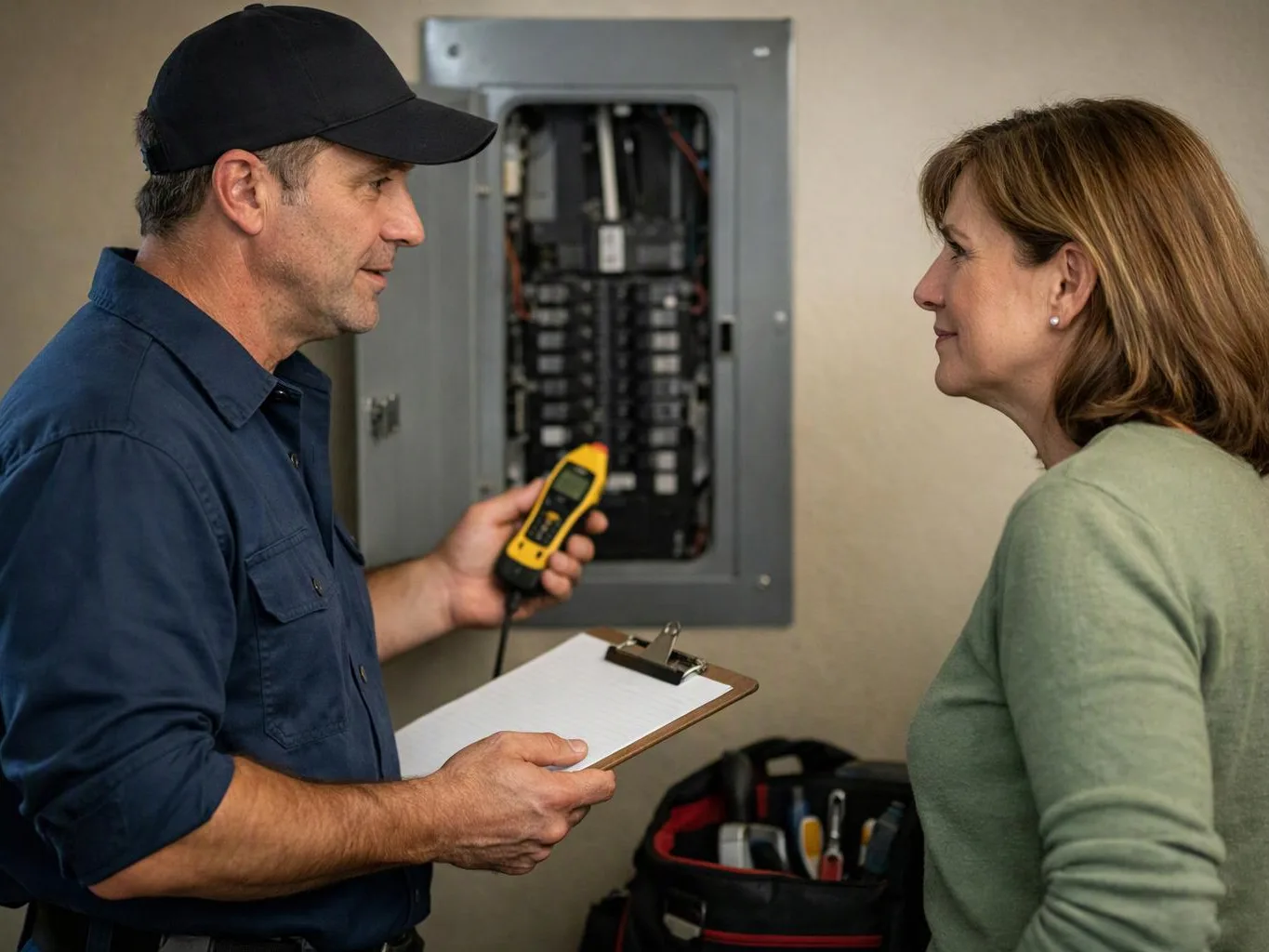
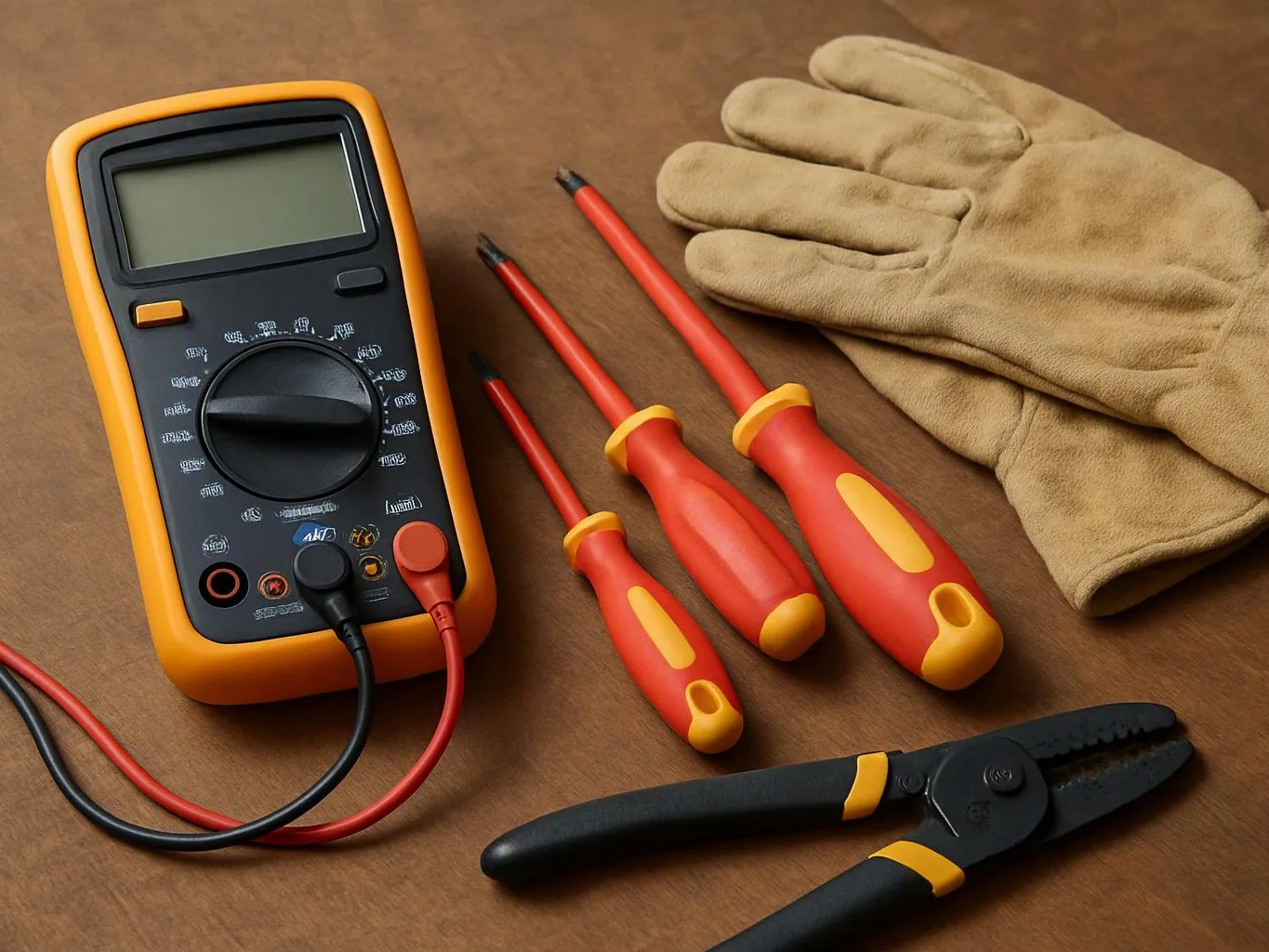
Commercial electrical repair moves from symptom review to inspection, circuit tracing, testing, and scope selection. We identify the affected load, inspect the panel and wiring, test grounding, and explain repair or replacement needs. The final step is verification of the repaired circuit before normal use resumes.
Which parts can change the repair scope after an outage?
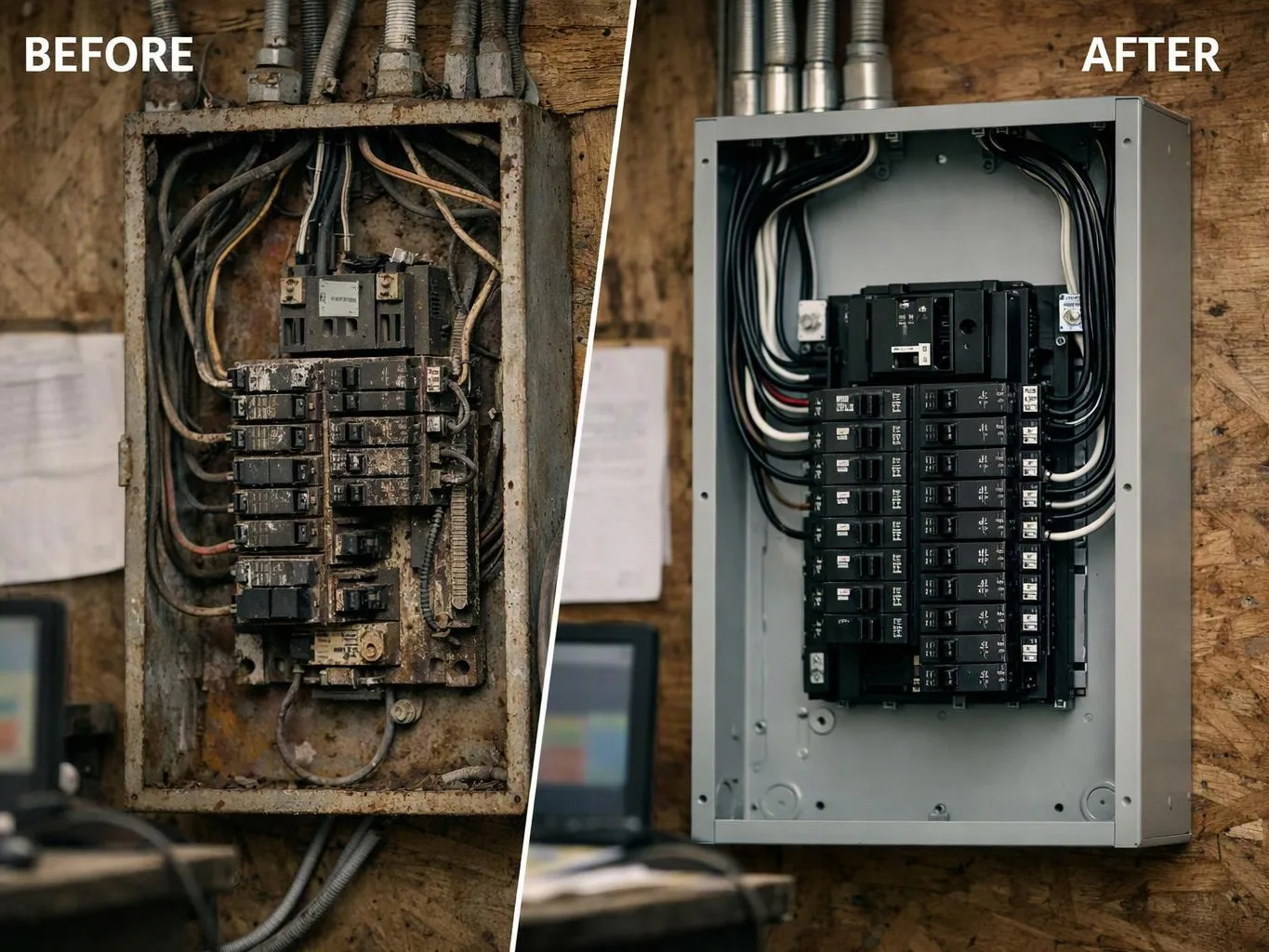
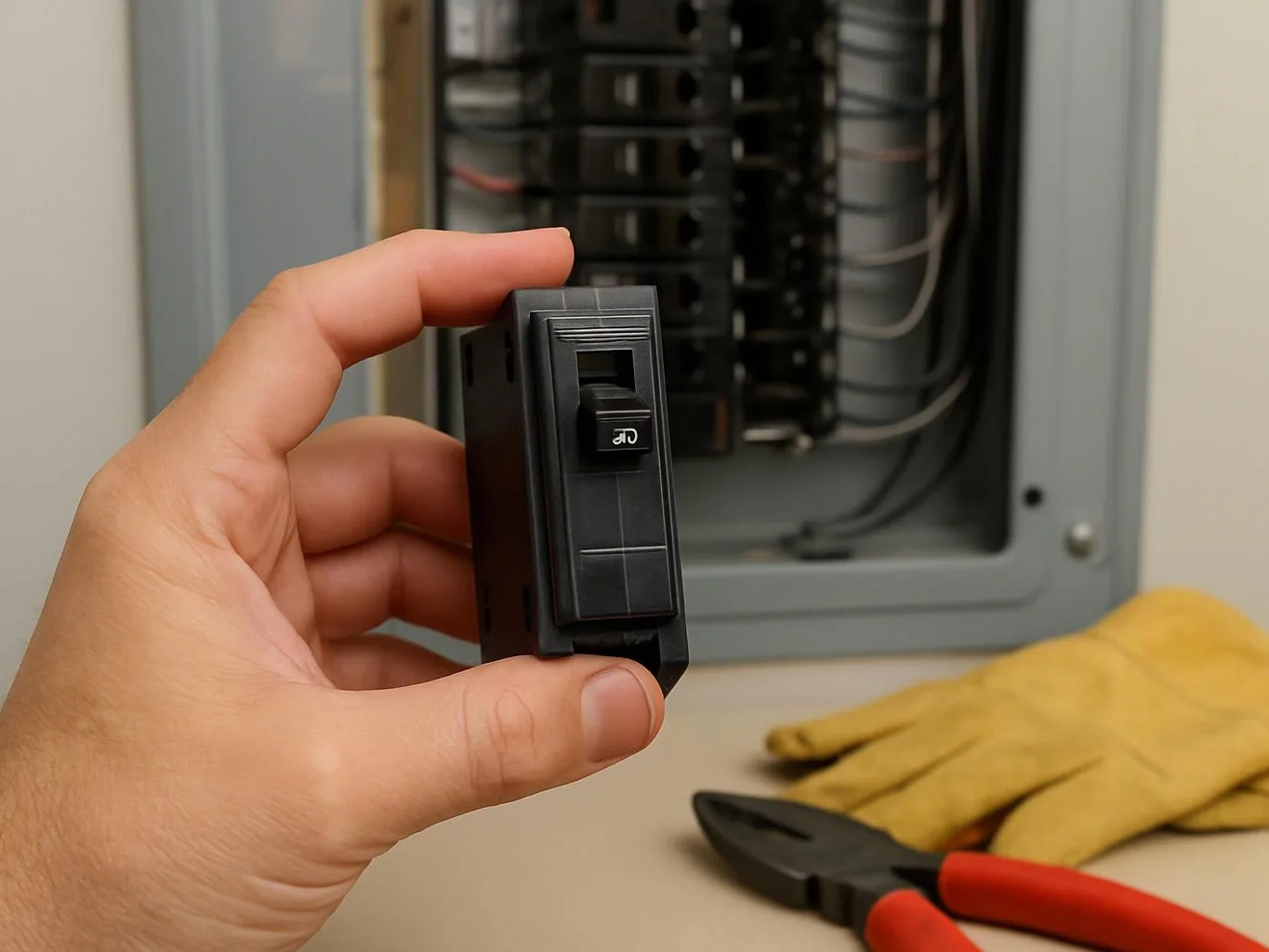
The failed breaker, damaged conductor, panel condition, grounding path, connected load, and access point can change the repair scope. We inspect these parts before recommending work. A circuit fault may need a focused repair, while broader panel or service damage can require replacement planning.
When should a business stop using an affected circuit?
A business should stop using a circuit when it shows burning smell, sparking, buzzing, heat, visible damage, or repeated breaker trips. We isolate the affected area and inspect the power path before use resumes. Staff should not open panels or reset a breaker that trips again.
Why might a commercial panel need more than a breaker reset?
A breaker reset will not correct damaged wiring, loose connections, surge damage, or an overloaded circuit. We test the circuit and inspect the panel to find the cause. Repeated resets can hide a fault and leave connected equipment without safe protection.