What signs indicate an appliance circuit needs repair?
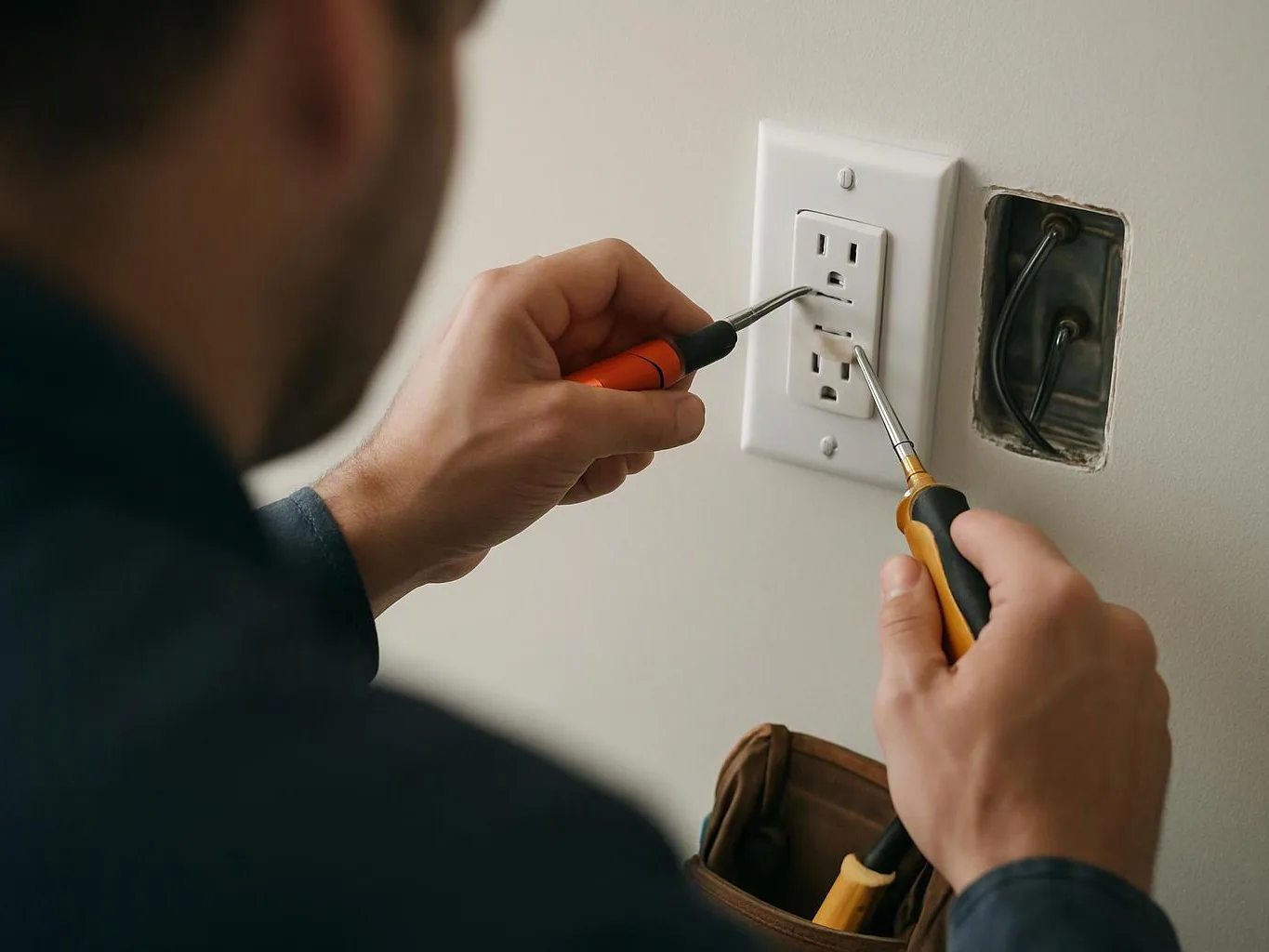
Burning odors indicate possible overheating, loose connections, or damaged wiring. GMB Electric checks the receptacle, cable, breaker, and panel connection before recommending repair or replacement. Repeated tripping, warm receptacles, and flickering lights also need attention. Stop using the affected appliance until the circuit has been assessed.
How is appliance circuit work matched to the property before work starts?
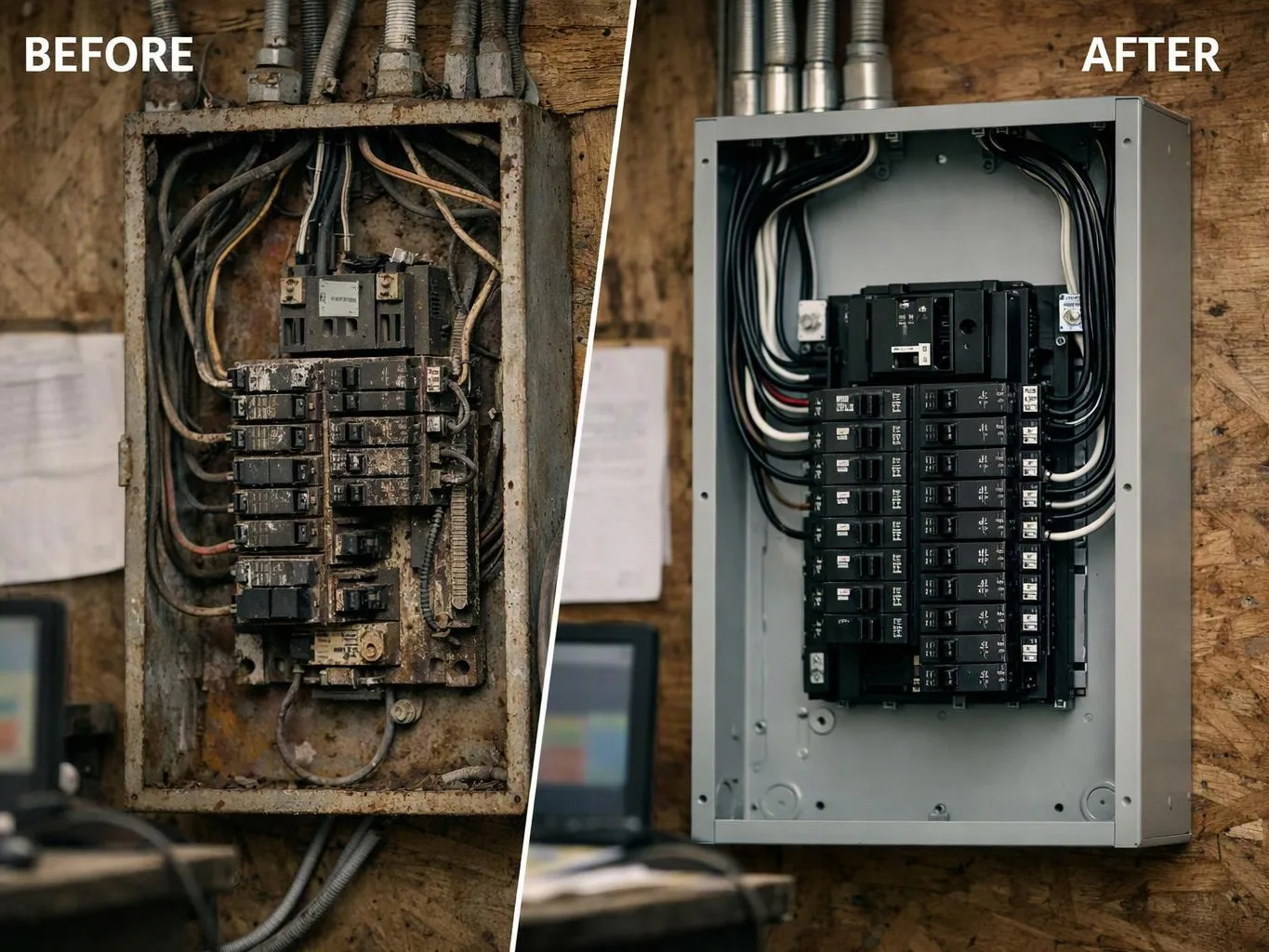
The property’s panel, wiring path, grounding, and available capacity determine the circuit plan. We inspect those points and identify access needs before setting the scope. A load calculation helps show whether the existing panel can support the appliance or whether a panel upgrade or subpanel installation should be considered.
Which condition on the property changes the time for appliance circuit work?
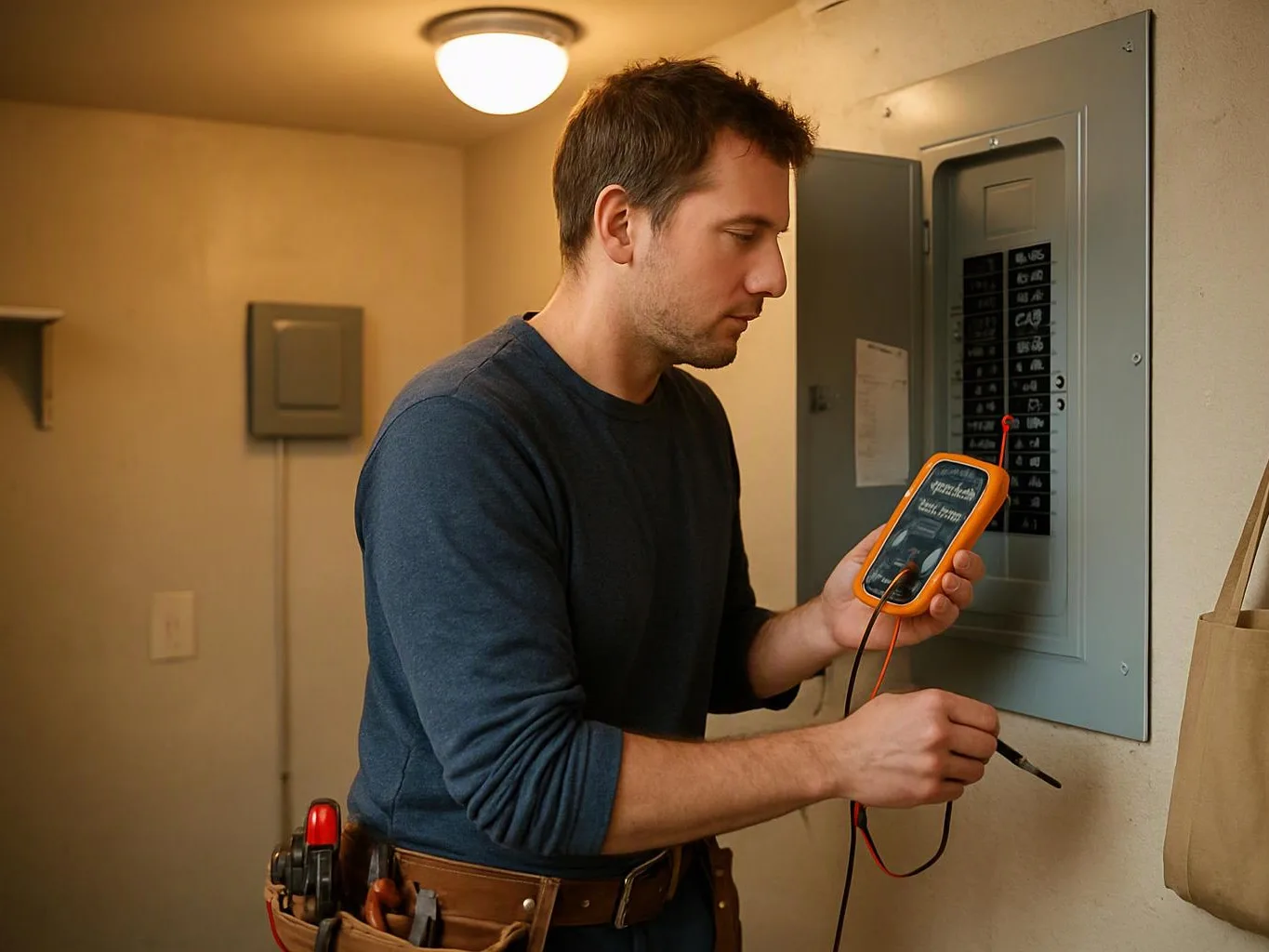
Limited access, damaged wiring, an overloaded panel, or an unclear circuit path can change the work involved. We first trace the circuit and inspect the panel connection. Older wiring, concealed cable, and shared circuits can require added testing before a safe repair or installation plan is set.
What should I ask before agreeing to appliance circuit installation?
Ask which circuit will serve the appliance, what the inspection found, and whether the panel can support the load. Confirm what wiring, breaker, receptacle, grounding work, testing, and cleanup the estimate includes. We explain the work scope and provide a free estimate before starting.
Who installs and checks a dedicated appliance circuit?
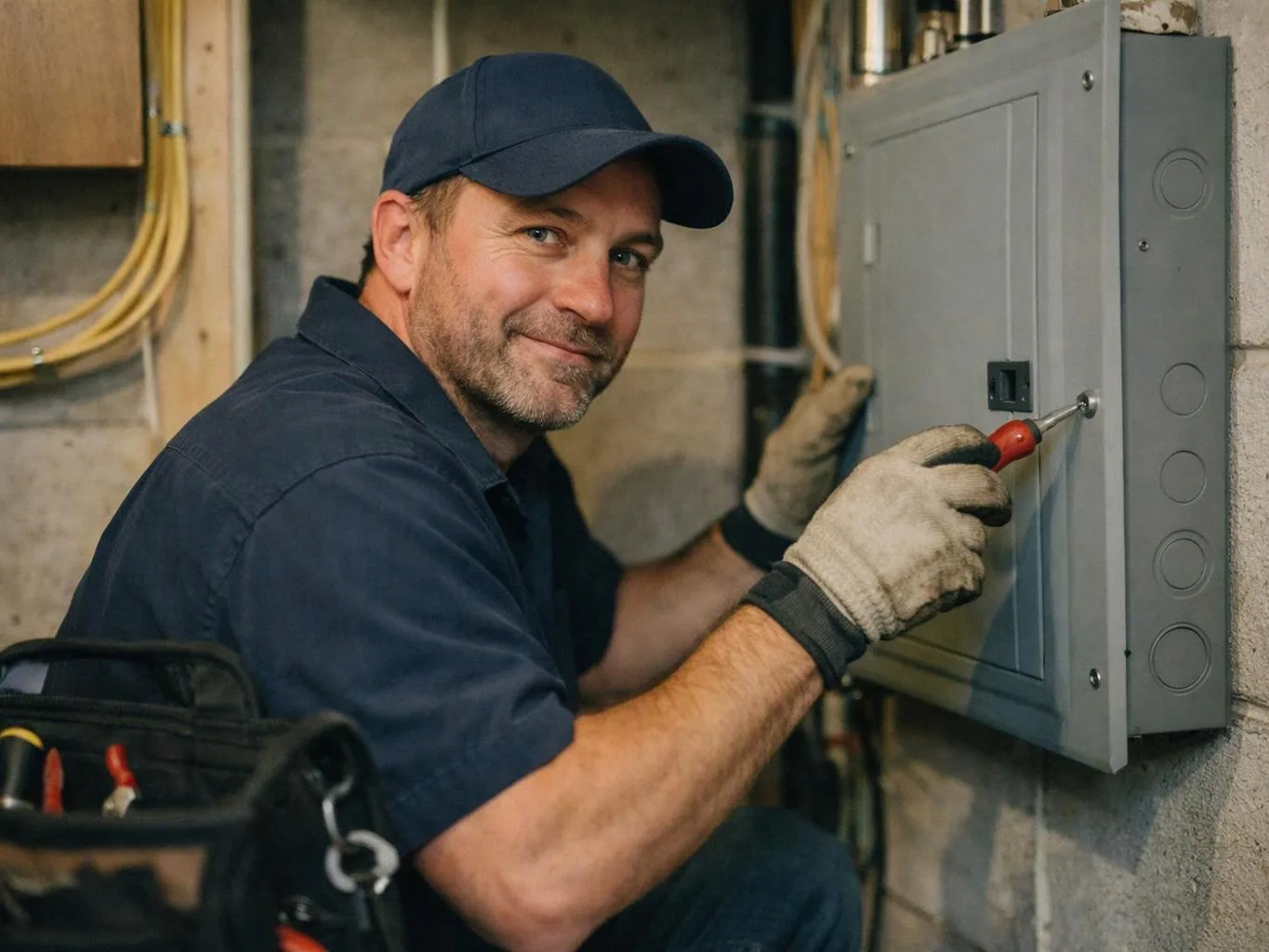
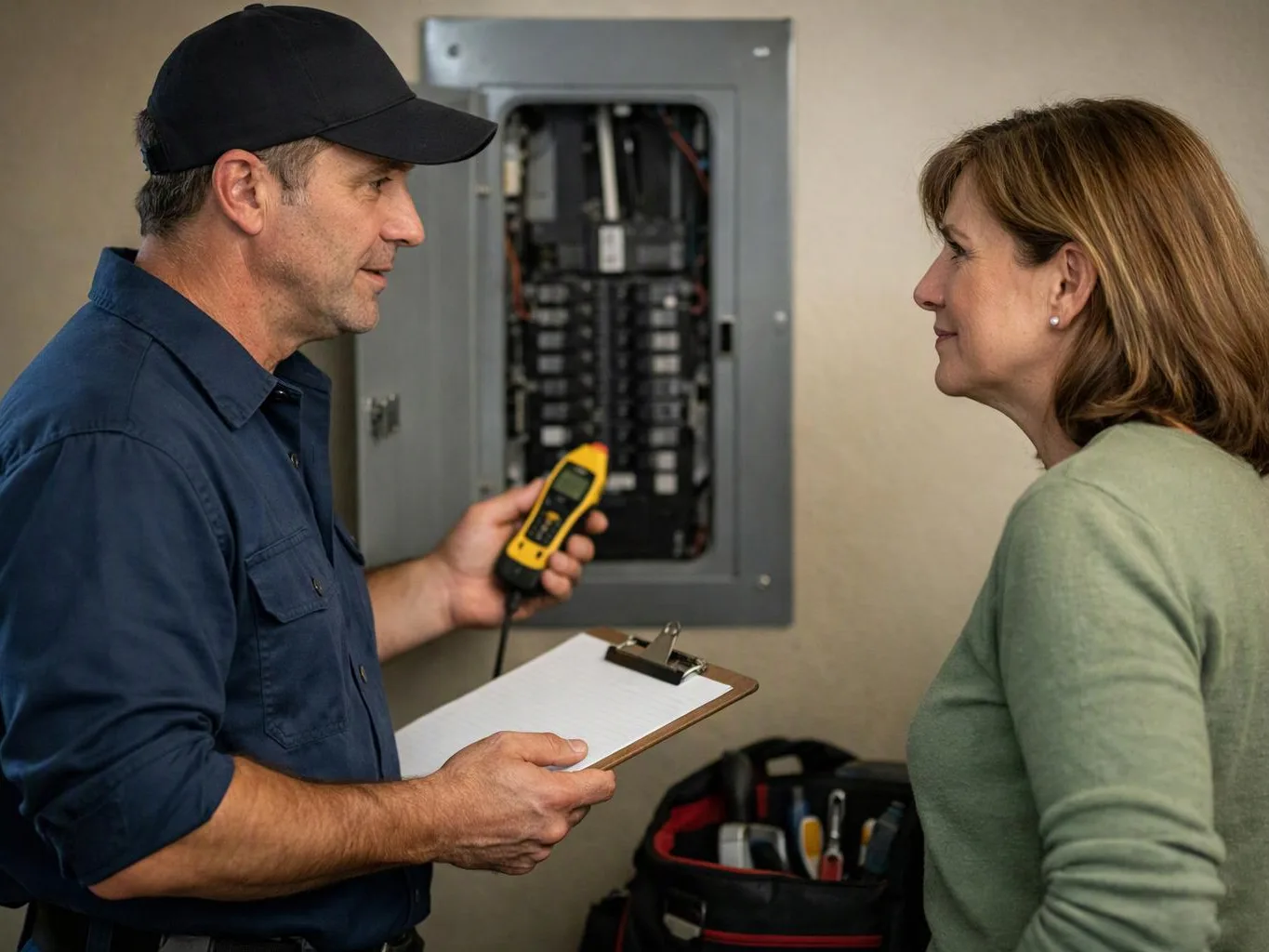
GMB Electric installs and checks dedicated appliance circuits for residential and commercial properties. Our licensed and insured electrical professionals inspect the panel, trace the wiring, connect the circuit, and test the finished work. We also handle related panel upgrades, outlet repairs, and code-compliant improvements.
When should a warm receptacle be treated as urgent?
A warm receptacle becomes urgent when heat appears with a burning odor, sparking, discoloration, or repeated breaker trips. Turn off the appliance and avoid the outlet until the circuit is checked. Our emergency electrical service is available around the clock for urgent electrical problems.
Why does a breaker keep tripping when an appliance runs?
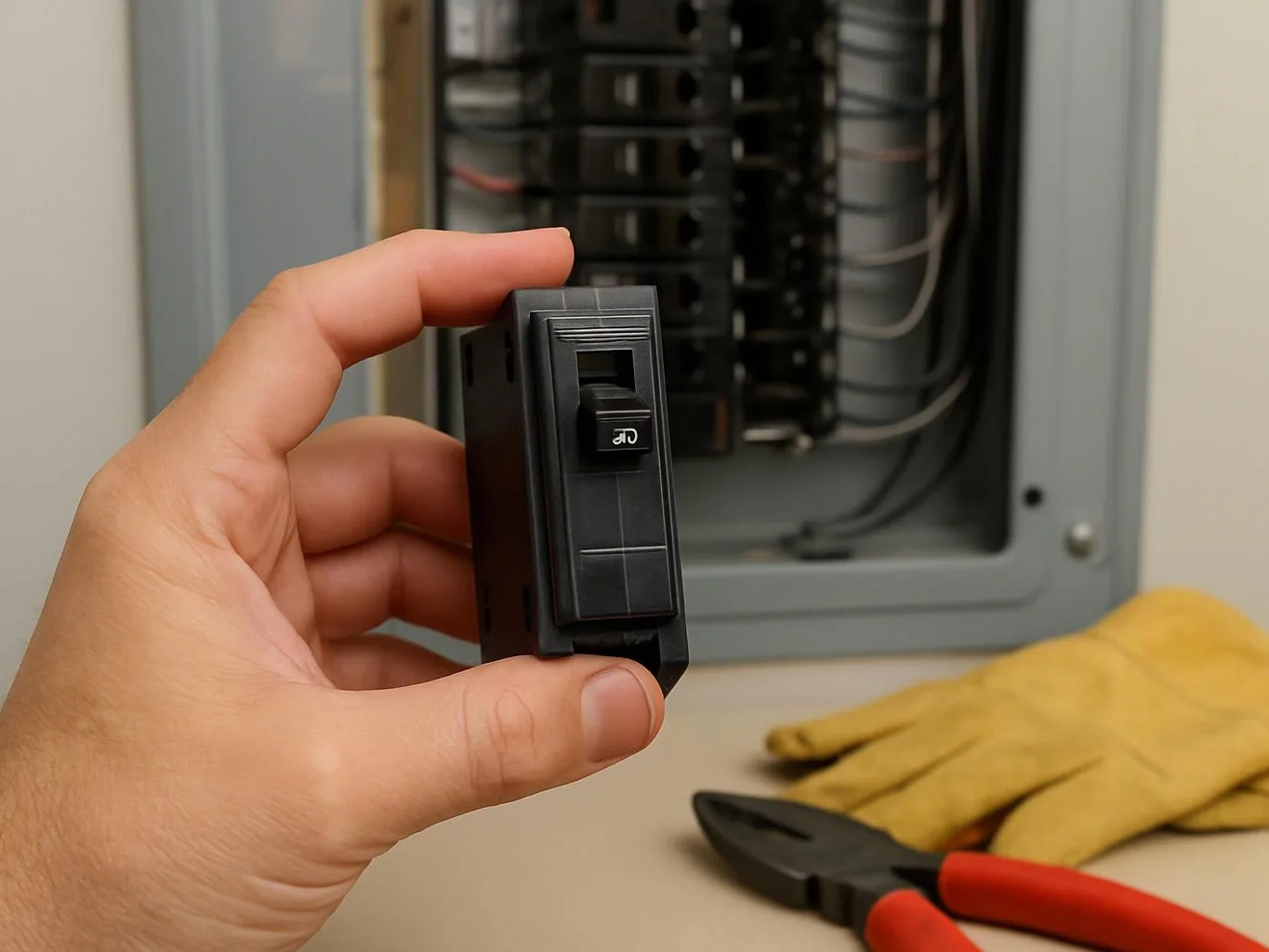
A breaker can trip because the circuit is overloaded, damaged, shorted, or connected to a failing appliance. We test the appliance connection, receptacle, wiring, and breaker to separate those causes. The correct fix may involve circuit repair, dedicated wiring, or related panel work.